Does a Lemon Vibrator Feel Different Than a Regular Vibrator?
Yes. Completely. Here's the thing: a lemon vibrator doesn't vibrate at all.
Most people assume all adult toys work the same way. You press a button, it buzzes, you finish. Simple. But a lemon clitoral vibrator uses suction and pulsing instead of vibration, which changes everything about what your body actually feels.
I'm not saying one is better. I'm saying they're fundamentally different tools, and knowing the difference helps you pick the right one for your body and what you're looking for.
What a regular vibrator actually does
Traditional clitoral vibrators use motors that oscillate back and forth at speeds measured in hertz. Think of it like a phone on vibrate mode. The toy shakes, typically between 2,000 and 10,000 pulses per minute depending on the brand and power level. That vibration transmits directly to the tissue it contacts, stimulating nerve endings through rapid movement.
The sensation is fairly straightforward: more intense the faster it goes. You feel the buzz traveling through the area. It works well for a lot of people, which is why vibrators have been the go-to toy for decades.
But vibration has a ceiling. The intensity is limited by how fast the motor can safely move. And for some bodies, that kind of direct oscillation can feel harsh or numbing over time.
What a lemon vibrator actually does
A lemon sucker (like Hello Nancy's Lem vibrator) works differently entirely. Instead of shaking, it creates rhythmic suction and release around the clitoris. Imagine a very gentle mouth movement, not a tongue vibrating but that pulse of suction that happens when someone's giving you oral sex.
The sensation is more localised and arguably more intense, because suction stimulates a larger cluster of nerve endings across the whole clitoral area rather than just the point of contact. You're not feeling vibration transmitted through tissue. You're feeling pressure, release, and the gentle drawing motion itself.
This matters because the clitoris has roughly 8,000 nerve endings concentrated in a tiny area. Suction engages more of them at once, which many people find overwhelming (in a good way) compared to vibration.
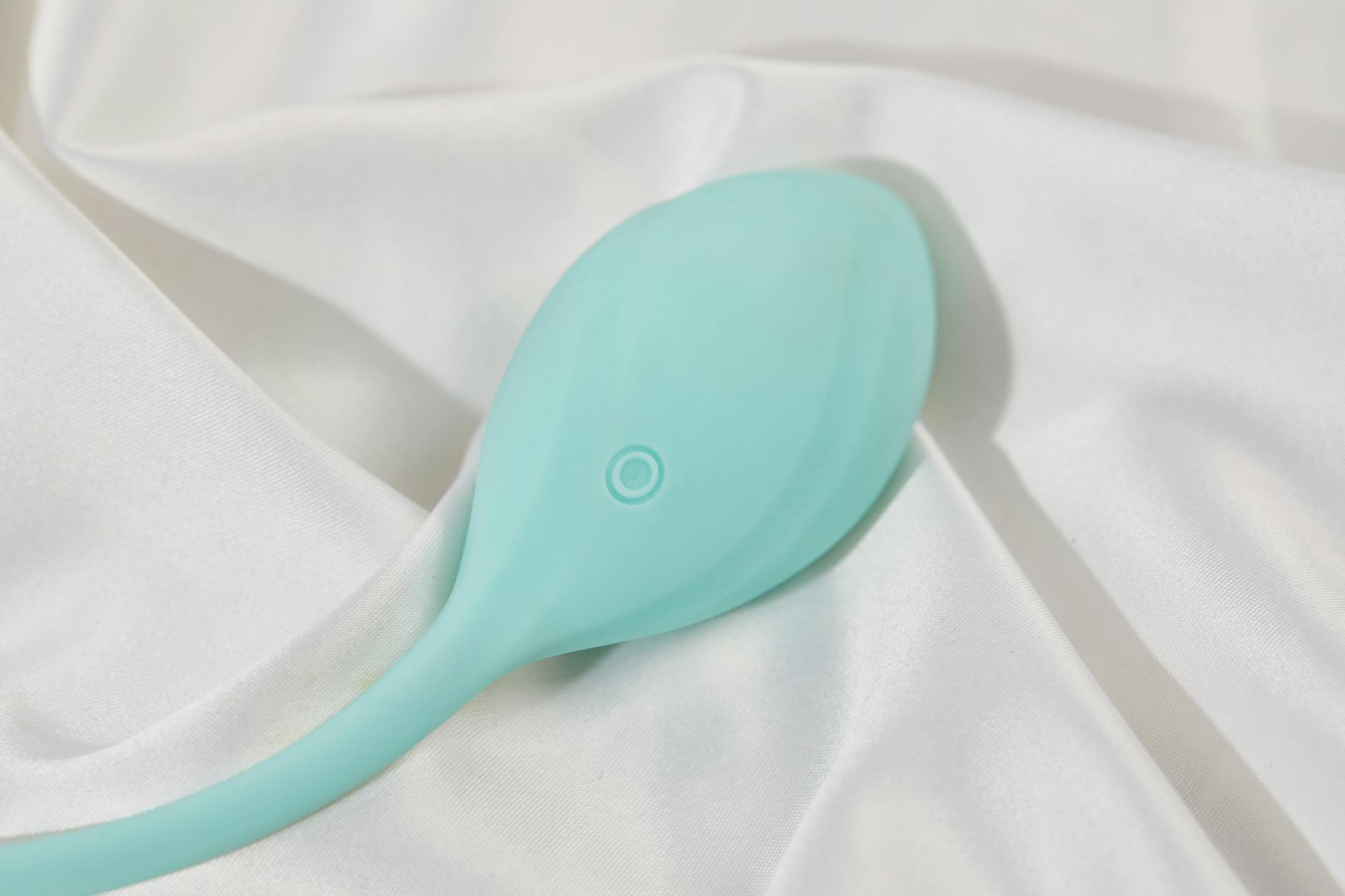
Photo by IFONNX Toys on Pexels
Why this difference matters for sensation
Four practical ways suction feels different from vibration:
1. Intensity builds differently. With a traditional vibrator, you get immediate buzz. With a lemon clitoral vibrator, intensity builds more gradually as the suction deepens. Some people find that gentler ramp-up easier to control. Others find it more satisfying because you're not blasted right away.
2. The sensation is broader. Vibration is pinpoint. Suction spreads the stimulation across the whole clitoral complex, which is why people often describe lemon vibrators as feeling deeper or more comprehensive. You're not just stimulating the tip. You're engaging the whole structure.
3. It's less likely to numb. Prolonged vibration can desensitise the area. Your nerve endings adapt to sustained oscillation. Suction and release create a rhythm that doesn't have the same numbing effect. You maintain sensation intensity longer.
4. You feel more control. Because suction intensity is tied to how the toy fits over your body rather than just motor speed, many people feel like they have better control of the experience. Positioning matters more, which sounds annoying but actually gives you more agency.
Who finds lemon vibrators better than traditional vibrators
You might prefer a lemon sucker vibrator if:
You have sensitive tissue and traditional vibrators feel too intense or scratchy. The Lem vibrator's suction-based design is gentler on delicate areas while delivering serious stimulation. That's why lemon vibrators work better for sensitive tissue compared to older-generation toys.
You struggle to orgasm with vibration alone. Some bodies just don't respond to oscillation the same way they respond to suction. If you've used traditional vibrators and found them underwhelming, suction might be the missing piece.
You want something that feels more like partnered sex. Suction mimics oral in a way vibration never really does. If that matters to you, a lemon vibrator will feel more intuitively correct.
You get bored with the same sensation. Vibration is pretty one-note once you find your speed. Suction patterns vary more naturally, keeping things interesting longer.
Why some people still prefer traditional vibrators
This isn't an argument that suction is objectively better. It's not.
Traditional vibrators are simpler. You turn them on, you go. No learning curve. Some people find that directness exactly what they want. There's nothing wrong with that.
Vibration is also more predictable. You know exactly what you're getting. If you've found a vibrator that works, why mess with it? That's totally fair reasoning.
And honestly, suction isn't for everyone's anatomy. If you're very sensitive or your body shape makes it hard for a toy to seal properly, traditional vibration might actually be more reliable.
How to try a lemon vibrator if you're used to traditional toys
If you want to test this yourself, here's what actually works:
Start at the lowest pattern or setting. Suction intensity builds fast. You don't need to crank it to feel it.
Take time to find the right position and angle. Unlike a vibrator where you pretty much just press it and go, a lemon clitoral vibrator needs to fit your anatomy right to create a seal. That's not a flaw. It's just part of how they work. Experiment.
Give it at least three sessions before deciding. Your body and nerve endings adapt to new sensations. That weird feeling on session one might be incredible on session three as your body figures out what's happening.
Don't compare it to your favorite vibrator. You're not trying to replicate that sensation. You're exploring something different. Same goal, different pathway.
The practical differences in daily use
Beyond the sensation itself, here are things that actually matter:
Battery life is usually longer on suction toys because they're not running a constant motor. That matters if you travel or use it frequently.
Noise levels are different. Suction creates a gentle pulsing sound, not the hum or buzz of vibration. If discretion matters, suction toys are generally quieter.
Cleaning is the same, but drying is important. Suction toys have a small opening that can trap water. Let it air dry completely before storing.
Durability is honestly comparable. Both vibration motors and suction mechanisms are well-engineered these days. Pick a reputable brand either way.
People also ask
Is a lemon vibrator better for reaching orgasm?
Not universally. Better is personal. Some people orgasm faster with suction. Others find traditional vibration more reliable. Your body will tell you what works. The only way to know is to try. If vibration hasn't been getting you there, suction is worth testing.
Can you use a lemon vibrator with a partner?
Absolutely. Suction toys are actually easier to use partnered sometimes because they don't require the same precision of angle that some vibrators do. How to use a lemon vibrator with a partner is a whole conversation about positioning and timing, but the mechanics are straightforward.
Does a lemon clitoral vibrator hurt if you're sensitive?
Lemon vibrators are actually often gentler on sensitive tissue than traditional vibrators because suction distributes pressure more evenly. That said, if you're very sensitive, start at the lowest setting and give your body time to adjust. Sensitivity isn't a reason to avoid them. It's a reason to ease in.
How long does it take to adjust to suction if I've only used vibrators?
Most people adjust within one to three uses. Your body recognizes the rhythm quickly. If it still feels weird after five tries, that might just not be your thing, and that's fine. Everyone's different.
Can you feel the difference between a lemon sucker and a regular vibrator immediately?
Yes. The moment you turn on a suction toy, you'll feel that it's not a vibration. It's not better or worse immediately. It's just different. Whether different is better takes a little time to figure out.
Are lemon vibrators actually more intense than regular vibrators?
They feel more intense to many people because the stimulation is more concentrated and broad at the same time. But intensity is subjective. Some people experience suction as gentler. It depends on your anatomy and what your body responds to. There's no objective intensity ranking.
The real difference
A lemon vibrator isn't a better version of a traditional vibrator. It's a different approach to the same goal. Vibration works through rapid movement. Suction works through rhythmic pressure and release.
For a lot of bodies, that switch feels significant. For others, vibration is exactly what they want. The point is knowing the difference so you can make a choice that actually fits you instead of just picking whatever toy is on the shelf.
Your pleasure isn't one-size-fits-all. Neither are the tools designed for it. If you're curious whether suction might work better for your body than vibration, that's worth exploring. If you've found what works with traditional vibrators, there's no need to change anything.
The goal is the same either way. Feel good. Explore what actually works for you. Stop apologising for it.