The SSRI orgasm problem is real, and it's not in your head
SSRIs save lives. They also kill orgasms for a lot of people. Between 40-65% of folks on selective serotonin reuptake inhibitors report some kind of sexual side effect, and delayed or absent orgasm tops the list. It's not a failure on your part. Your brain chemistry changed, and your body is responding exactly as expected.
Here's what I've noticed working with couples navigating this: the frustration isn't usually about the medication itself. It's about feeling stranded in your own body. You want to feel pleasure again, but the usual strategies stop working.
What SSRIs actually do to your sexual response
SSRIs increase available serotonin in your brain by blocking reabsorption. That's why they work for depression and anxiety. But serotonin does more than regulate mood. It also dampens dopamine and norepinephrine, the neurochemicals that drive arousal and sexual response.
This creates a specific problem: your brain gets calmer, but your genitals get quieter. Blood flow slows. Sensation feels muted. The pathway from touch to "oh" stretches longer.
On vibration alone, that stretched pathway means you're waiting forever for an orgasm that might not come. The stimulation isn't quite intense enough to cross the higher threshold your altered neurochemistry has created.
Suction works differently. It doesn't rely on vibration's rhythm. It creates sustained pressure and release, which engages nerve endings in a way that doesn't depend on speed or frequency. For bodies medicated with SSRIs, that distinction matters.
Why suction lemon vibrators feel more effective than standard vibration
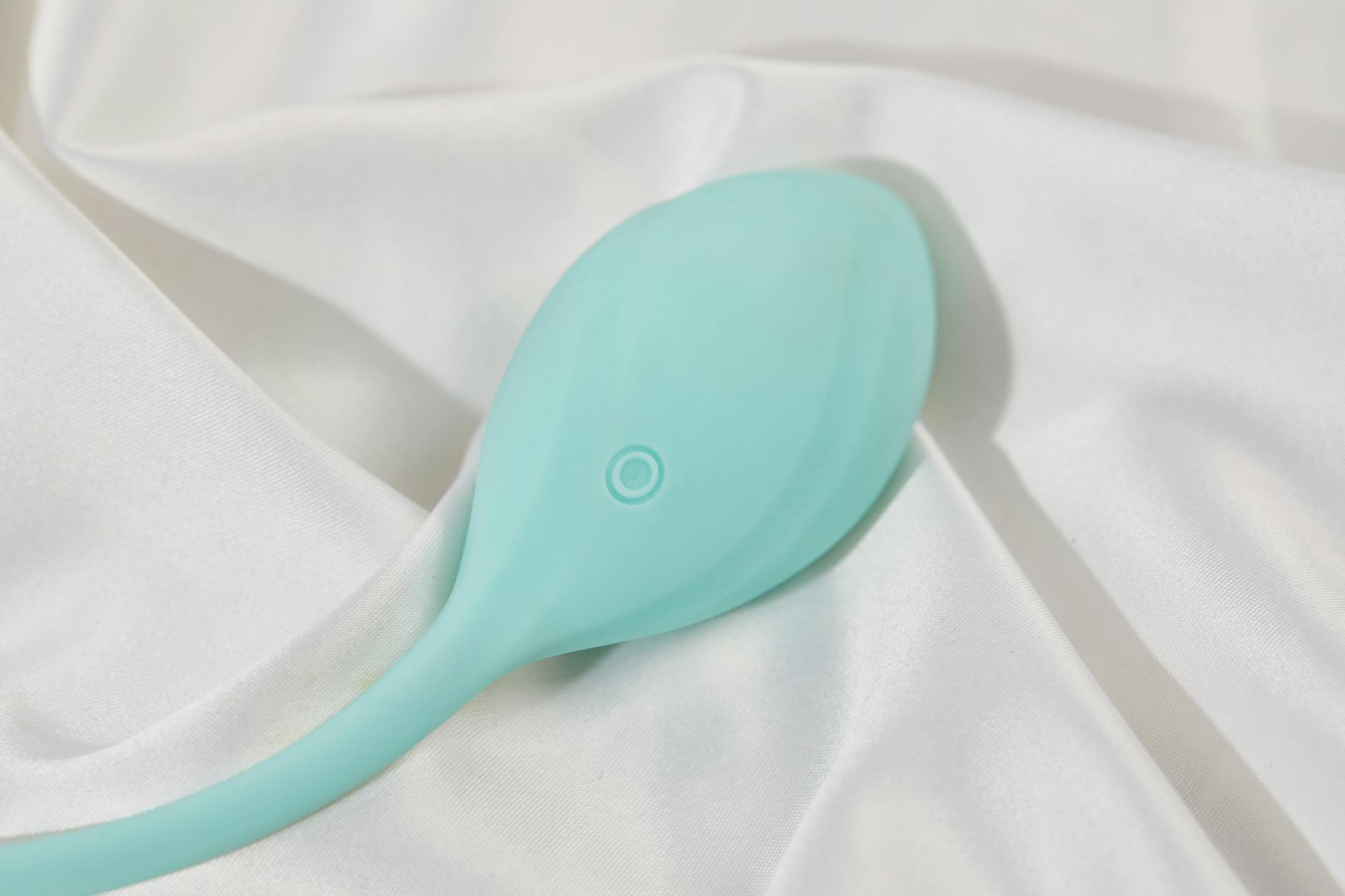
A lemon clitoral vibrator like the Lem works through air-pulse suction technology rather than traditional vibration. Here's the practical difference:
Standard vibrators rely on rapid back-and-forth movement. Your flattened nervous system has to detect that movement, send the signal, and build sensation gradually. If your medication has slowed that cascade, standard vibration often fails before it reaches the finish line.
Suction-based clitoral vibrators create a different sensation profile. They work by gentle suction and release. This doesn't just stimulate the nerve endings you can see. It also stimulates internal clitoral structures that vibration alone doesn't reach as effectively. For someone on SSRIs whose external sensation feels muted, accessing those deeper nerve pathways can be the difference between an orgasm that feels possible and one that feels permanently out of reach.
Many of my clients report that when they switch from a traditional vibrator to a lemon suction vibrator, they feel sensation returning. Not because the toy is "magic," but because it's addressing the specific neurochemical problem SSRIs create.
The warm-up time conversation
On SSRIs, your body needs more time to shift into arousal. Budget 20-30 minutes instead of 5. This isn't a sign something is wrong. It's just how your medicated body works now.
Use that time to your advantage. Self-exploration becomes a skill, not a rushed performance. Start a lemon vibrator on the lowest setting, let your body adjust, and move up gradually. The Lem's multiple intensity levels let you stay in control, which matters when you're learning your new body's language.
If you're with a partner, this is actually a gift disguised as a side effect. More foreplay. More connection. More talk about what's working. Couples I work with often find that rebuilding pleasure after SSRIs stabilizes their whole relationship in unexpected ways.
Mixing medications and pleasure: what actually matters
If your doctor prescribed an SSRI, they did so because the benefit outweighs the cost. Don't stop taking it to fix your orgasm. That calculus is always wrong.
What you can do: talk to your prescriber. Some SSRIs have lower sexual side effects than others. Sertraline and paroxetine hit libido harder than escitalopram or fluoxetine. Your doctor might adjust your dose, switch your medication, or suggest adding something like bupropion (which actually increases dopamine). These conversations happen in offices every day. They're normal.
While you're figuring that out with your doctor, a lemon clitoral vibrator is not a workaround. It's a tool that works with your current neurochemistry instead of against it.
What the research actually says about antidepressants and clitoral vibrators
There's no study called "The SSRI and Lemon Vibrator Trial." But there is solid science behind why suction works better than vibration for people with flattened sexual response.
Research on sexual response shows that people on SSRIs benefit from more intense, sustained stimulation rather than light, rapid movement. A 2019 review in the Journal of Clinical Psychiatry found that increased genital stimulation and extended foreplay time were the most effective non-pharmacological strategies. Suction delivers exactly that: more intense sensory input, sustained over time.
I also recommend reading about the clitoral complex itself. The part you can touch is only a fraction. The branches extend internally. Traditional vibrators focus on the external area. When your external sensation is dampened by medication, accessing those internal structures through suction can reconnect you to pleasure faster.
A gentle reality check about expectations
I want to be honest: a lemon suction vibrator will not restore your orgasm to how it felt before SSRIs. Your nervous system has changed. That's the medication working.
What it will do is give you access to a different kind of orgasm. Often faster. Often more intense because it's built on sustained pressure rather than rhythmic vibration. Many people find they prefer it, medication or not.
The psychological part matters too. When you find a tool that works, the pressure drops. You stop bracing for failure. That shift alone changes everything. Your brain relaxes, your body opens, and suddenly the orgasm that felt impossible feels inevitable.
Trying a lemon vibrator when you're on SSRIs: a practical starting point
Start low. The Lem has multiple intensity levels. Begin at level one, spend 10-15 minutes exploring, and only move up if you want more. Your body will tell you what it needs if you listen.
Be patient with timing. Some people find their SSRI-adjusted body needs 30-40 minutes of sustained stimulation. That's normal. Set aside the time. Remove the pressure to "finish quickly."
If you're partnered, involve your partner in the learning. Not as a performance. As a team. They're not fixing you. You're both discovering how your body works now.
When to reconsider your medication strategy
If orgasm is completely absent after six months on an SSRI, and a lemon vibrator isn't helping, loop back to your prescriber. Sexual dysfunction this severe sometimes warrants a medication adjustment. It's not a character flaw to say "this side effect is genuinely affecting my quality of life."
Your doctor might suggest a higher intensity approach: switching to a less sexually suppressive SSRI, adding a medication that counters sexual side effects, or taking a "medication holiday" (only with medical guidance) on days when you plan intimacy.
The point: you have options. A lemon clitoral vibrator is one. Professional medication adjustment is another. Neither is cheating. Both are legitimate ways to reclaim pleasure while treating your depression.
The bigger picture: SSRIs, pleasure, and self-care
When you're on antidepressants, pleasure often feels like a luxury you don't deserve while you're still healing. It's actually essential maintenance. Orgasms improve mood, reduce stress, and remind you that your body is alive and capable. For someone on SSRIs, that reminder is not frivolous. It's medicine.
A lemon vibrator doesn't replace your antidepressant. It supports it. It tells your nervous system, "Yes, we're on medication. And yes, we still get to feel good." That's not contradictory. It's honest.