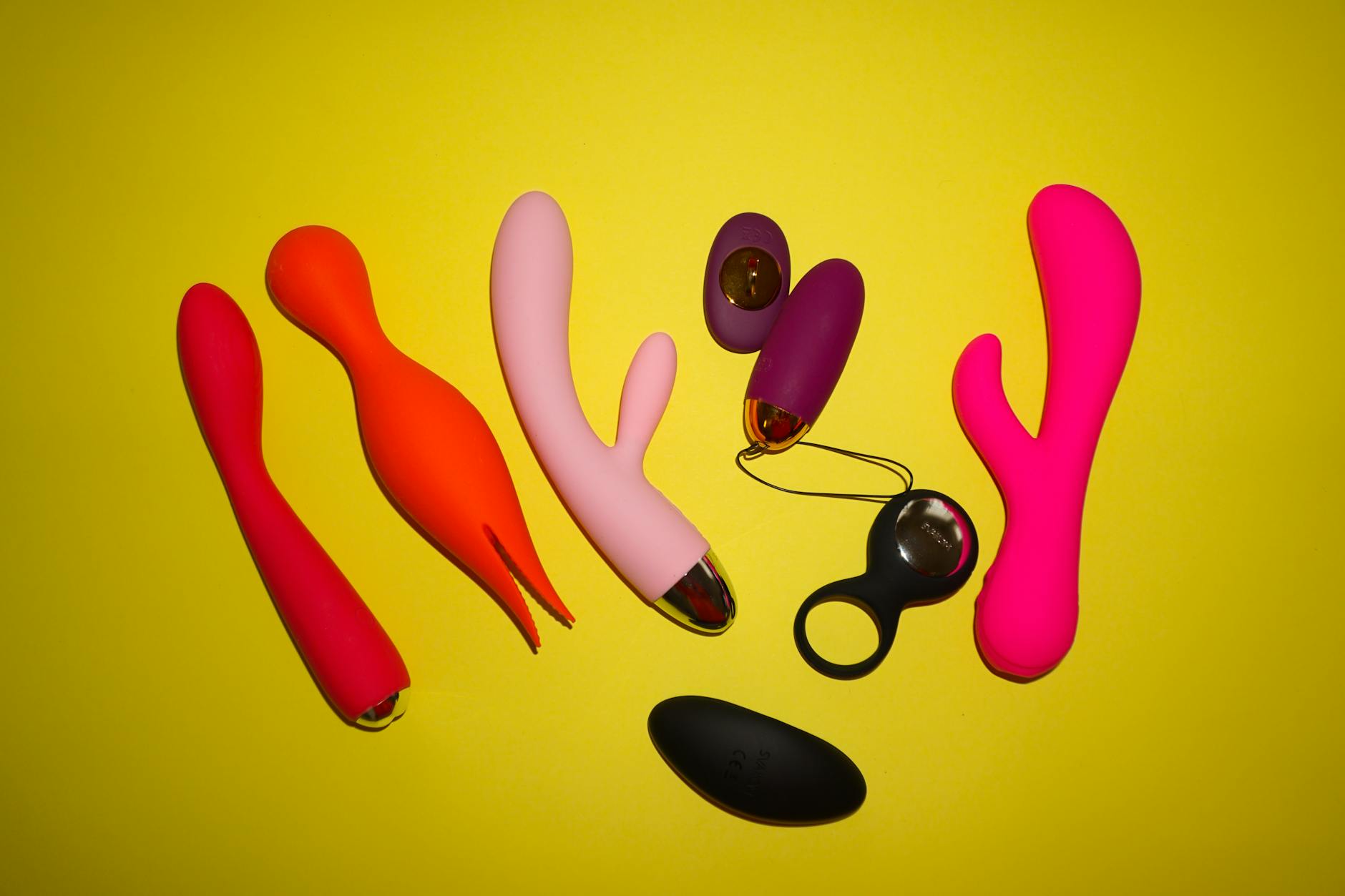
Numbness is common. Your pleasure isn't cancelled.
Let's be real: when sensation drops, the first instinct is to assume sex stops working. That's not what happens. What happens is that your nervous system needs a different kind of signal, and a lemon vibrator delivers it in a way that standard vibration often can't.
I work with clients regularly who've experienced numbness or reduced sensation after antidepressants, spinal procedures, diabetes-related neuropathy, pelvic surgeries, or hormonal shifts. The pattern is always the same. They stop trying because they think their body has broken. It hasn't. It's just asking for a conversation in a different language.
Why numbness changes what works
Your clitoris has about 8,000 nerve endings. Numbness doesn't mean they're gone. It means the signals they're sending aren't registering, or they're arriving muffled. Some medications (SSRIs, blood pressure drugs, certain diabetes treatments) dampen nerve conduction. Spinal injuries or surgery can interrupt the nerve pathways carrying sensation up to the brain. Hormonal changes affect how sensitive nerve endings are to stimulation.
The key thing: these aren't uniformly affecting all sensation. You might feel pressure perfectly fine while vibration feels like nothing. You might respond to sustained suction but not quick buzzing. Your body hasn't gone silent. It's just selective about what it hears.
A lemon clitoral vibrator, which uses pulsing suction rather than straight vibration, works here because suction stimulates a different set of receptors. It creates sustained pressure and release patterns that can bypass the deadened vibration pathways and wake up the pressure-sensitive nerves instead.
How suction feels different when sensation is muted
Vibration is quick movement. It relies on nerve endings that detect rapid oscillation. When those endings are numb, vibration can feel like... nothing, or like a distant buzzing you're intellectually aware of but don't actually feel.
Suction is pressure and release. It's a pulling sensation that engages different mechanoreceptors in the clitoris and vulva. Even when vibration numbness is severe, many people can still feel suction because it's working through a separate sensory channel.
Here's what that means practically: if you've tried a standard vibrator and felt almost nothing, a lemon suction vibrator might feel like the difference between wearing gloves and having bare skin. Sudden, noticeable, sometimes startling in the best way.
Starting with lemon vibrators when sensation is reduced
Three setup shifts that matter:
Start at the highest intensity, not the lowest. With reduced sensation, your instinct will be to begin gentle and build up. That usually backfires because low-intensity suction on numb tissue can feel like nothing, which confirms the hopeless feeling. Go straight to pattern 3 or 4 on the lemon vibrator. If you feel it, you can dial back. If you don't, you've learned that this particular intensity channel doesn't work for you.
Use it externally for 10-15 minutes before assuming it's not working. Sensation often builds gradually when it's been dormant. The first minute might feel like pressure. By minute five, you might start feeling actual sensation. By minute ten, it can shift to pleasure. Give your nervous system runway instead of writing it off in 30 seconds.
Position matters more than you'd think. Because sensation is patchy with numbness, the exact angle and placement of a lemon clitoral vibrator can mean the difference between feeling nothing and feeling something. Try placing it slightly off-center from dead-center on your clitoris. Try angling it toward your body instead of perpendicular. Tiny adjustments sometimes unlock a pocket of sensitivity your brain hasn't learned is still there.
Building sensation back when it's faded
Reduced sensation isn't always permanent, and using a lemon vibrator can actually help rebuild responsiveness. When you're stimulating the area consistently, even if you're not feeling much, the nerve endings are waking up. This is slower than you'd like. It can take weeks. But it works.
I recommend treating it as a practice, not a performance. Use the lemon vibrator three to four times a week, same time ideally, for 10-15 minutes. You're teaching your nervous system "we're paying attention to this area again." Over time, sensation often creeps back in.
Don't wait for a partner. This is solo work, at least initially. You need to understand your own sensation map without the pressure of someone else being there, waiting for you to respond or worrying they're doing it wrong.
When numbness is specific to vibration only
Some medications and conditions create weird partial numbness. You might feel pressure fine but vibration feels absent. Or suction feels like nothing but direct touch works. These hyper-specific sensation patterns are actually useful information.
If vibration is the dead zone and suction feels present, a lemon vibrator is the obvious choice. Use the suction-based patterns. Ignore the vibration settings. If that's still not working, explore non-vibrating options: fingers, a silicone dildo, a penis if you have a partner. Don't get locked into thinking you need vibration because you've heard that's what works for most people. You're not most people. You're operating with different neurology.
Talking to your doctor about numbness
If numbness started after you began a medication, that's worth flagging. Some SSRIs and blood pressure meds are notorious for sexual side effects. Your doctor has options: adjusting the dose, timing the dose differently (taking it after sex instead of before), switching to a different medication in the same class that has fewer sexual side effects, or adding something to counteract the numbness.
This isn't always something you have to accept. Mention it directly to whoever prescribed the medication. "I've noticed reduced sensation in my genitals since starting this drug" is a standard conversation in any decent medical practice.
If numbness started after a procedure or surgery, healing timeline matters. Early post-surgical numbness often improves over months as nerves regenerate. Later persistent numbness sometimes does too, but more slowly. A lemon vibrator can be part of that recovery process without pressure.
Partner sex when sensation is numb
If you're in a partnered dynamic, the conversation needs to happen early. "My sensation is muted right now, so standard stimulation doesn't register the same way" is different from "nothing works" and different from "I'm not interested." These are three different problems that need three different solutions.
For partnered pleasure when you have numbness, external stimulation with a lemon vibrator often works better than penetration because you can control the angle and intensity precisely. You don't have to worry about your partner reading your body's signals correctly when sensation is unclear. You can tell them exactly what intensity and position creates feeling.
Consider using a lemon suction vibrator during partnered sex. Lots of people with reduced sensation find that suction-based stimulation is the bridge that helps them stay present and responsive. It's not a replacement for your partner. It's a tool that lets both of you get on the same page about what actually feels good right now.
When numbness lifts (it often does)
Sensation can return. Sometimes slowly, sometimes suddenly, sometimes partially. When it does, the good news is that you've spent time learning how your body works under these specific conditions. You know what intensity levels you need. You know which positions unlock feeling. You know whether suction or vibration is your language.
Hold onto that information. Even if full sensation returns, you've built a map of your own pleasure that's more detailed than most people ever develop. That's valuable.
People also ask
Can numbness from antidepressants go away if I keep using a lemon vibrator?
Sexual numbness from SSRIs sometimes improves with time as your body adjusts, sometimes improves if you switch medications, and sometimes persists. Using a lemon vibrator doesn't fix the underlying medication side effect, but it can help you access pleasure while you're dealing with the numbness. If you want the numbness to actually resolve, that's a conversation with your prescriber about dose timing, switching medications, or adding something to counteract the side effect.
How long does it take to feel sensation again with a lemon clitoral vibrator?
It depends entirely on the cause of your numbness. Post-surgical numbness can improve over weeks or months as nerves heal. Medication-related numbness might improve within weeks of adjusting your dose or medication. Permanent nerve damage from older surgeries or spinal issues might not fully resolve, but sensation often gradually improves over months of consistent stimulation. Expect three to six weeks of regular use before you notice real changes.
Is suction better than vibration for numb sensation?
For many people with reduced sensation, yes. Suction engages pressure-sensitive nerve endings that vibration doesn't touch. But everyone's numbness is different. You might respond better to vibration. The only way to know is to try both. A lemon vibrator offers both vibration and suction modes, so you can experiment with what your body actually registers.
Can I use a lemon vibrator right after pelvic surgery if I have numbness?
Talk to your surgeon first, but generally, external stimulation is safer than penetration when you're healing from pelvic procedures. If they clear you for any sexual activity, external use of a lemon vibrator is usually fine. Start very gently, stop if you feel pain (numbness is okay, pain is not), and go slowly. Post-surgical numbness often improves as you heal, so you might be amazed at what returns over the next few months.
Does numbness from a hormonal IUD get better with stimulation?
Hormonal IUDs can reduce sensation because they lower systemic estrogen and sometimes change local blood flow. This often improves over months as your body adjusts, or it might improve if you switch to a non-hormonal copper IUD. In the meantime, consistent stimulation with a lemon vibrator can help maintain responsiveness and sometimes help sensation creep back sooner. It won't fix the IUD side effect, but it can bridge the gap while your body adapts.
What if I feel pain, not numbness, when using a lemon vibrator?
Stop. Pain is your body's signal to pause. Numbness means sensation isn't registering. Pain means something's irritated or injured. This needs medical attention before you use any vibrator. Talk to a pelvic floor physical therapist or your gynecologist. They can help you figure out whether it's a tension issue, an infection, skin sensitivity, or something else that needs addressing first.
Reduced sensation doesn't mean your pleasure is gone. It means you need to find the channel your nervous system is still listening on. A lemon vibrator, with its suction-based approach, speaks a language that often reaches through the numbness in ways vibration alone can't. Start with the intensity you think you need, give your body time to respond, and pay attention to what actually works for you.
If you have questions about how to use a lemon vibrator safely for your specific situation, or if you're navigating numbness alongside other changes, reach out to us. We're here to help.