Let's talk about what's actually happening
Your clitoris hasn't gotten weaker or disappeared. What's changed is the signal. Think of it like this: your nerve endings are still firing, but the message isn't arriving with the same urgency. That gap between stimulation and sensation is the real problem, not the stimulation itself or your capacity to respond.
Clitoral sensitivity shifts for a bunch of reasons. Some are hormonal, some are physiological, some are neurological, and some are straight-up about how you're touching yourself or what you're using. The good news: understanding which one is driving your experience means you can actually do something about it.
Why sensation changes (and it's not always what you think)
There are five main culprits, and they often overlap.
Reduced blood flow to genital tissue. This happens with high blood pressure, diabetes, cardiovascular changes, or even just dehydration. Without robust circulation, the clitoris gets less oxygen and less "wake up" signal during arousal.
Nerve damage or compression. Sometimes this is from injury or childbirth. Sometimes it's from sitting posture (yes, really). Sometimes it's from pelvic floor tension so severe that it's literally compressing the nerves that carry sensation. This one's worth mentioning to a pelvic floor physical therapist.
Medication effects. SSRIs, blood pressure meds, antihistamines, and even some pain relievers can dull sensation. The medication is doing its job elsewhere, and your clitoris is collateral damage.
Hormonal shifts. Estrogen, testosterone, and even thyroid function affect nerve sensitivity. Post-menopause, after stopping birth control, or during thyroid dysfunction, these changes are real and measurable.
Desensitization from overstimulation or technique. If you've been using vibration alone for years at high intensity, your nerve endings adapt. They need a break, a different stimulus, or both.
Why lemon vibrators and suction help when sensation dulls
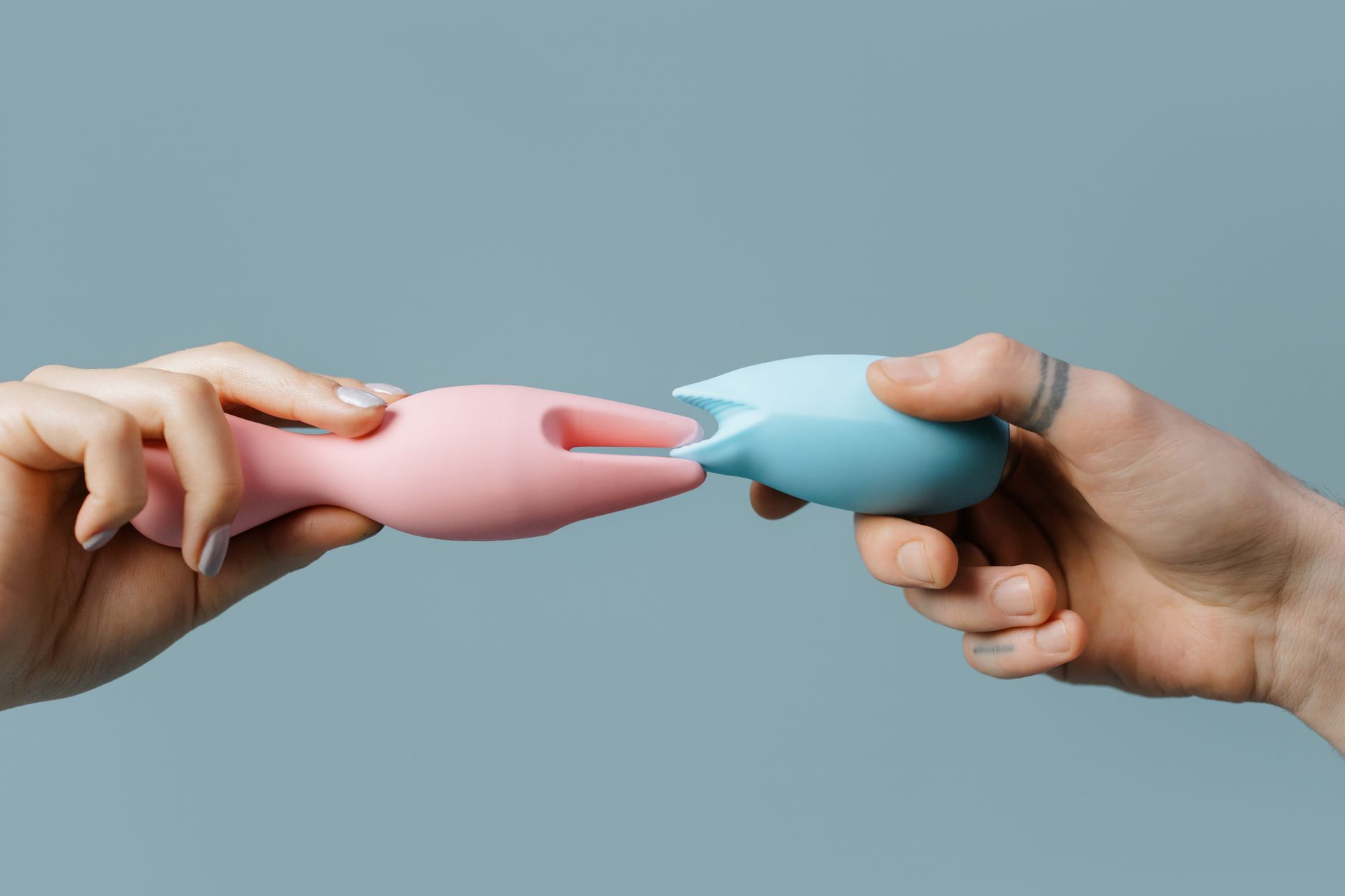
Here's the thing that surprises people: a lemon clitoral vibrator works differently than a traditional vibrator. It's not just stronger. It's a fundamentally different type of stimulation.
Traditional vibrators buzz through tissue. Suction lifts and pulls. That lifting motion activates different nerve pathways. If your clitoris has gotten desensitized to vibration, suction is almost like introducing a new sensation from scratch. Your nerve endings perk up because they're not expecting this.
Second, suction increases blood flow more efficiently than vibration alone. The gentle suction literally brings more oxygen and circulation to the tissue, which wakes up the nerves and makes them more responsive. It's not placebo. The physiology is there.
Third, you don't need to use a lemon vibrator at maximum intensity to get results. Low suction settings often feel more intense than high vibration settings because the mechanism is different. This matters hugely if your tissue is tender or if you've been pushing harder and harder chasing sensation.
The technique shift that changes everything
When sensitivity has dulled, technique matters more than the tool.
Start with a full warm-up. Not five minutes. Fifteen to twenty. Without robust arousal, your clitoris isn't engorged, and engorgement is what makes sensation sharp. Spend real time with whatever gets you mentally there first. Reading, fantasy, partner touch, whatever. Your brain is the largest sex organ.
Use the lemon vibrator on a lower setting than you'd expect. Settings 1 to 3 are your friends. The suction is doing work that vibration alone doesn't do, so you need less intensity. High intensity can actually override sensation in a way that keeps you chasing the buzz without ever arriving at pleasure.
Experiment with placement. The most sensitive part of your clitoris is often on the side or at an angle, not directly on top. Try the lemon vibrator slightly off-center or approaching from the side. You might find pockets of high sensation you've been missing.
Build in pauses. Turn off the lemon vibrator for 30 seconds, then back on. Those pauses reset your nerve endings and prevent adaptation. Your sensation actually sharpens between breaks.
Use lubricant, always. Even if you're not dealing with dryness, lubricant changes how the suction works. It creates a better seal and smoother sensation. Water-based lube is your ally here.
When to combine the lemon vibrator with other touch
If you're partnered, this is crucial. A lemon clitoral vibrator doesn't replace hand touch or oral sex. It augments it. Try this sequence:
Start with 10 minutes of partner touch (hands, mouth, whatever). Then introduce the lemon vibrator for 5 minutes while they're also touching you elsewhere. Your clitoris gets multiple signals at once, which amplifies sensation dramatically. This is especially powerful if your reduced sensitivity is coming from the medication or hormonal angle.
If you're solo, try combining the lemon vibrator with internal sensation if that feels good to you. The dual input often works better than either alone when sensitivity is dulled.
The pacing reset
Here's something therapists don't always talk about: sometimes reduced clitoral sensitivity is actually your body saying "slow down." If you've been masturbating quickly, targeting orgasm at high speed, or using only vibration for five years straight, your clitoris might just be burned out.
Try this for two weeks: use your lemon vibrator once every other day instead of daily. Use it on lower settings. Spend more time on sensations that feel gentle instead of chasing intensity. This isn't forever. It's a reset. Many people find that when they reduce frequency and intensity, sensation actually returns because the nerve endings aren't in constant defensive crouch.
When medication is the culprit
If you know your sensitivity shifted after starting a new medication, have that conversation with your doctor. Sometimes there's an alternative that doesn't tank sensation. Sometimes the dosage can shift. Sometimes adding something else helps. Don't just accept it. And absolutely don't stop the medication on your own to see if sensation comes back. That's a conversation to have with medical care, not an experiment.
Red flags worth checking out
If your clitoral sensitivity loss happened suddenly (over days or a week), see a doctor. That's not normal age-related change or gradual hormonal shift. That's potentially a nerve issue or vascular issue worth investigating.
If sensitivity loss is paired with pain, numbness in your legs or feet, or changes in your ability to control urine or bowel, definitely get checked out. These can indicate nerve compression that needs addressing.
Otherwise, give yourself permission to experiment. The lemon vibrator is a tool. Your body is the most important variable.
FAQ: Reduced clitoral sensitivity and lemon vibrators
Why does a lemon vibrator feel different than a regular vibrator when sensation is low?
Suction and vibration activate different nerve pathways. Vibration creates rapid oscillation through tissue, while suction creates a lifting and pulling sensation. When your nerves have adapted to vibration, suction feels almost new, which is why it often reconnects you with sensation you thought you'd lost. Plus, suction inherently increases blood flow more efficiently, which wakes up dulled nerve endings.
Can reduced clitoral sensitivity come back without a lemon vibrator or any tool?
Sometimes. If the cause is lifestyle (stress, sleep deprivation, dehydration, too-frequent masturbation), it often does. If it's medication or hormonal, it depends on your specific situation. A lemon clitoral vibrator doesn't restore sensitivity in isolation. It works in combination with the underlying cause being addressed. But it can absolutely improve pleasure while you're working on the root issue.
Should I use the highest setting on a lemon vibrator if I have low sensation?
Not automatically. Counterintuitively, lower settings often work better because they don't override your body's signals the way high intensity can. High intensity can feel like buzzing without actual sensation arriving. Start low and work up. You might find that you need far less than you expect.
How long does it take for a lemon vibrator to help with reduced sensitivity?
Most people notice a shift within three to five uses. Some feel it immediately. But genuine change in underlying sensitivity (not just "this feels novel") usually takes 2 to 4 weeks of consistent use with good technique. Your nerve endings are learning to respond again. That takes a bit.
Is reduced clitoral sensitivity during or after perimenopause normal?
Completely normal. Estrogen drop affects nerve endings directly. But normal doesn't mean you have to accept it. A lemon clitoral vibrator combined with longer warm-up time, lower vibrator intensity, and possibly topical estrogen (talk to your doctor) can make a real difference. Your pleasure doesn't have to fade just because your hormones are shifting.
Can tight pelvic floor muscles cause reduced clitoral sensation?
Absolutely. Tension compresses the nerves that carry sensation to and from your clitoris. If you also notice pain, tension during sex, or difficulty with tampon insertion, pelvic floor physical therapy is worth exploring. A lemon vibrator can help while you're doing that work, but addressing the tension itself will often restore sensation more fully than any tool alone.
The real reset
Reduced clitoral sensitivity isn't a life sentence. It's your body telling you something has shifted, and most of the time it's fixable. A lemon vibrator is one tool. Technique is another. Warm-up is another. Medical support, if the cause is physiological, is another.
Start with patience. Give your body permission to respond differently than it did before. Use a lemon clitoral vibrator intentionally, not desperately. And if nothing shifts after a few weeks of genuine effort, have the conversation with a healthcare provider who specializes in sexual health. You deserve pleasure that feels good, not pleasure you have to fight for.