Here's the thing nobody says clearly enough: menopause pain is not a you problem
If sex has started hurting after menopause, you're not broken. Your body isn't failing you. What's happening is genitourinary syndrome of menopause (GSM), which affects roughly 27 percent of postmenopausal women and involves thinning vaginal tissue, loss of elasticity, and decreased lubrication. It's textbook physiology, completely treatable, and absolutely worth addressing because the longer you avoid sex due to pain, the worse the anxiety gets around intimacy itself.
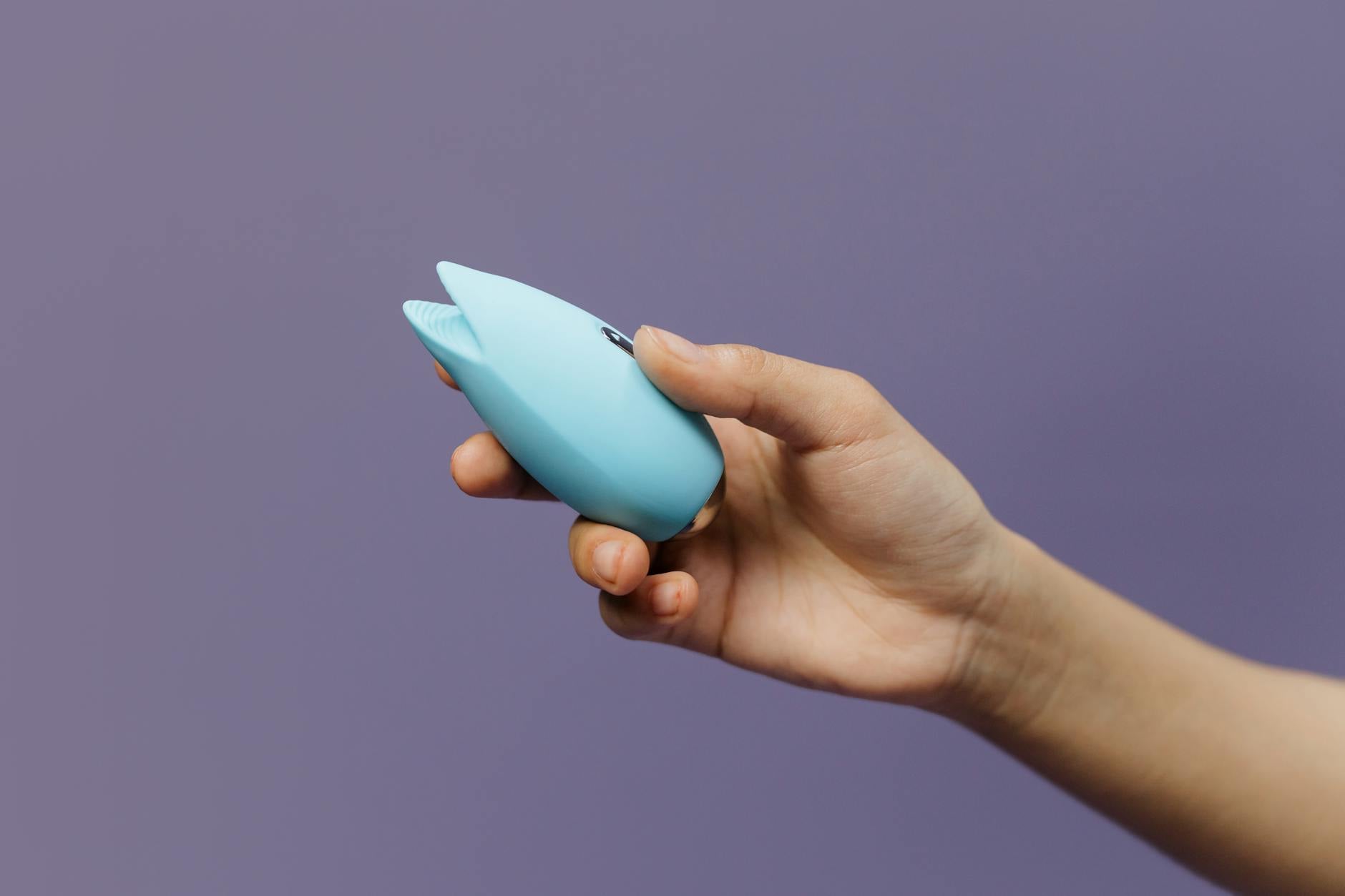
The confusing part? Most sex toy guidance defaults to penetration, which is exactly what hurts. A lemon vibrator pivots entirely away from that problem.
Why lemon vibrators (and suction in general) change the game
Let's get specific about what makes the Lem different. Traditional vibrators rely on direct friction against sensitive tissue. For someone with GSM, that friction can feel like scraping or sting. A lemon vibrator uses air-suction technology instead. It creates gentle negative pressure around the clitoris without the mechanical grinding that causes pain or further irritation.
This matters because your clitoris doesn't thin the way vaginal tissue does. The nerve density stays intact. The capacity for pleasure is absolutely still there. The suction method accesses all of that without asking irritated tissue to do anything it can't handle right now.
Many people with postmenopausal pain report that suction-based stimulation feels richer, safer, and honestly more intense than anything friction-based ever did. You're not compromising. You're upgrading.
The physical setup that actually works
You need three things in place before you start: lubrication, time, and the right positioning.
Lubrication, even though you might think you don't need it. Here's the counterintuitive part. Even though GSM involves reduced natural lubrication, external lube actually helps the Lem work better. A thin layer of water-based lubricant creates a better seal for the suction cup, which means more even pressure and less risk of any pinching or discomfort at the edges. This isn't because you're "broken." It's because physics.
Time to build arousal. Postmenopausal bodies take longer to respond to stimulation. Budget 15 to 20 minutes minimum before introducing the vibrator. Touch your body, think about what turns you on, breathe. Arousal isn't optional here. It's the difference between pleasure and discomfort.
Positioning that feels stable. Lie back with a pillow under your hips so your pelvis tilts slightly upward. This relaxes the pelvic floor and gives you space to breathe. If lying flat causes tension, prop yourself up on an elbow. The goal is zero strain in your core and pelvic floor.
How to actually use the lem when penetration is off limits
Start on the lowest setting. On the Lem, that's pattern 1. Place the silicone cup gently over your clitoris. You're not pressing hard. Let the suction do the work. The first few minutes should feel almost subtle. Your job is to notice what's happening, not to chase an orgasm.
After 2 to 3 minutes on pattern 1, you can move up to pattern 2. By now your clitoris should be more engorged and responsive. The pressure might feel different. That's exactly right. Your body is waking up.
If you want to move to pattern 3 or higher, wait until you feel genuine arousal building. There's no rule that says you have to get there. Many people find their sweetest spot on patterns 1 through 3 and stay there. Orgasms from suction tend to feel different than from penetration. Deeper. More spread out. Less of a peak and more of a plateau. Both are valid. Both feel incredible once you stop expecting the old shape.
What to do if it still doesn't feel right
If using the lemon vibrator causes any discomfort, pinching, or friction burn, stop immediately. Don't push through pain. Instead, check three variables. First, are you actually lubricated? Dry tissue won't seal well against the cup. Second, are your pelvic floor muscles clenched? Tension in that muscle group can make everything feel tighter and more uncomfortable. Try relaxing it by breathing slowly and consciously releasing tension as you exhale. Third, do you need to see a doctor?
If pain persists or feels sharp, talk to a menopause-informed gynecologist. GSM is treatable with topical estrogen creams (like estradiol or estriol), which rebuild tissue thickness over 8 to 12 weeks. This isn't a band-aid. It's actual physiological recovery. Many people find that once they've used topical estrogen for a few months, all forms of stimulation feel better. Then you're not managing pain anymore. You're just enjoying yourself.
The mental piece nobody talks about
Physical pain during sex often creates psychological pain. You start avoiding intimacy. You feel anxious before anything intimate happens. You maybe begin to believe your body is broken or that your sexual life is over. It's not. But the anxiety is real and it needs attention.
If you have a partner, be explicit about what you're doing and why. "I want to explore something that feels good to my body right now" is different from "Something's wrong with me." If you're solo, reframe this as exploration and pleasure, not fixing a problem. Your body isn't a problem. It's just different now, and different can be better once you give it permission.
Consider talking to a sex therapist or couples counselor who specializes in menopause. Not because you're broken, but because navigating this transition with support makes it shorter and significantly less lonely.
When to add back other kinds of touch
Once you've spent a few weeks (or months) exploring pleasure with the lemon vibrator, you might feel ready to add other stimulation back in. That might look like manual clitoral stimulation alongside gentle internal touch. It might mean partnered touch. It might stay exactly as it is, with the Lem being your primary tool. All of these are correct.
The key is moving at your pace, not at some external timeline. If you've been avoiding sex for a year, you're not going to comfortably return to penetration in a week just because you have a new vibrator. Your body needs weeks to rebuild sensation, confidence, and pleasure memory. The lemon vibrator is a safe way to do that without triggering old pain patterns.
The bigger picture: menopause as an inflection point
A lot of people treat postmenopausal sexual pain as a loss. It's not. It's an inflection point. You get to decide what comes next. That might be a return to the sex you had before, optimized with new knowledge about your body. It might be something totally different. It might be that you discover you actually enjoy clitoral-only pleasure far more than you ever expected.
Menopause isn't an ending. It's information. Your body is saying: "This thing that used to work doesn't work the same way anymore. Let's figure out what does." A lemon clitoral vibrator is one incredibly effective answer to that question.
If you're ready to explore, start with the lowest setting, give yourself time, use lube, and remember: pleasure after menopause is absolutely possible. Thousands of people are having the best sex of their lives right now on the other side of this transition. You can too.
FAQ: Lemon vibrators, postmenopausal pain, and getting back to pleasure
How long does it take for postmenopausal pain to improve?
If you're using topical estrogen cream alongside a lemon vibrator, most people see meaningful improvement within 6 to 8 weeks. The cream is rebuilding tissue; the vibrator is retraining your pleasure response. Without topical estrogen, the vibrator alone can help you work around the pain and rebuild confidence, but addressing the underlying tissue thinning often requires medical support. Talk to your doctor about whether topical estrogen is right for you. It's safe, has minimal systemic absorption, and changes the game for many people.
Can I use a lemon vibrator if I also have vulvodynia or other pelvic pain conditions?
Maybe. Vulvodynia is different from GSM, and every person's pain triggers are unique. Some people with vulvodynia find that suction-based stimulation feels better than friction-based alternatives because there's less direct pressure on sensitive areas. Others find that any clitoral stimulation is too intense. The only way to know is to start low and slow, pay attention to your body's signals, and stop if it feels wrong. Many people benefit from working with a pelvic floor physical therapist who can help you understand your specific pain patterns and what tools might help. See our guide on using a lemon vibrator for pleasure with vulvodynia and chronic pelvic pain for more.
What if my partner doesn't understand why I need a vibrator if we can still have penetrative sex?
This is worth addressing directly. "I need this because penetration hurts right now" is a full sentence. It's not a rejection of your partner. It's a statement of fact about your body's current experience. If your partner is nervous about toys in general, you might start with how to use a lemon vibrator when your partner is nervous about toys. The short version: invite them to explore it together, explain that this is about your pleasure and health, and be clear that this isn't about them. It's about you taking care of yourself.
Is a lemon suction vibrator safe to use if I'm on hormone replacement therapy (HRT)?
Absolutely. Using a vibrator has zero interaction with HRT or topical estrogen treatments. In fact, many people find that combining topical estrogen (which rebuilds tissue) with regular use of a lemon vibrator (which stimulates nerve endings and improves blood flow to the area) accelerates improvement. Talk to your doctor if you have questions specific to your prescription, but the vibrator itself won't interfere.
Can I use a lemon vibrator during menopause (perimenopause) or do I need to wait until postmenopause?
You can use it anytime. Some people experience pain during perimenopause as hormones start shifting. Others don't feel it until well into postmenopause. The lemon vibrator works regardless of where you are in the transition. If you're in perimenopause and experiencing pain, see a doctor about whether hormone therapy might help. Then use the vibrator as a tool for pleasure and sensation in the meantime.
What's the difference between using a lemon vibrator for postmenopausal pain versus using one for regular pleasure?
When you're managing pain, you're moving slower, using more lube, and checking in with your body more frequently. When you're using a vibrator purely for pleasure without pain in the picture, you can be more spontaneous and aggressive with intensity. The tool is the same. The intention and pacing are different. Over time, as postmenopausal pain resolves (whether through estrogen treatment, vibrator use, or both), you'll likely find yourself shifting from the pain-aware approach to the pure-pleasure approach. That transition is worth celebrating.
Menopause changes your body, not your right to pleasure. A lemon clitoral vibrator is a smart, evidence-supported way to honor both realities at once.