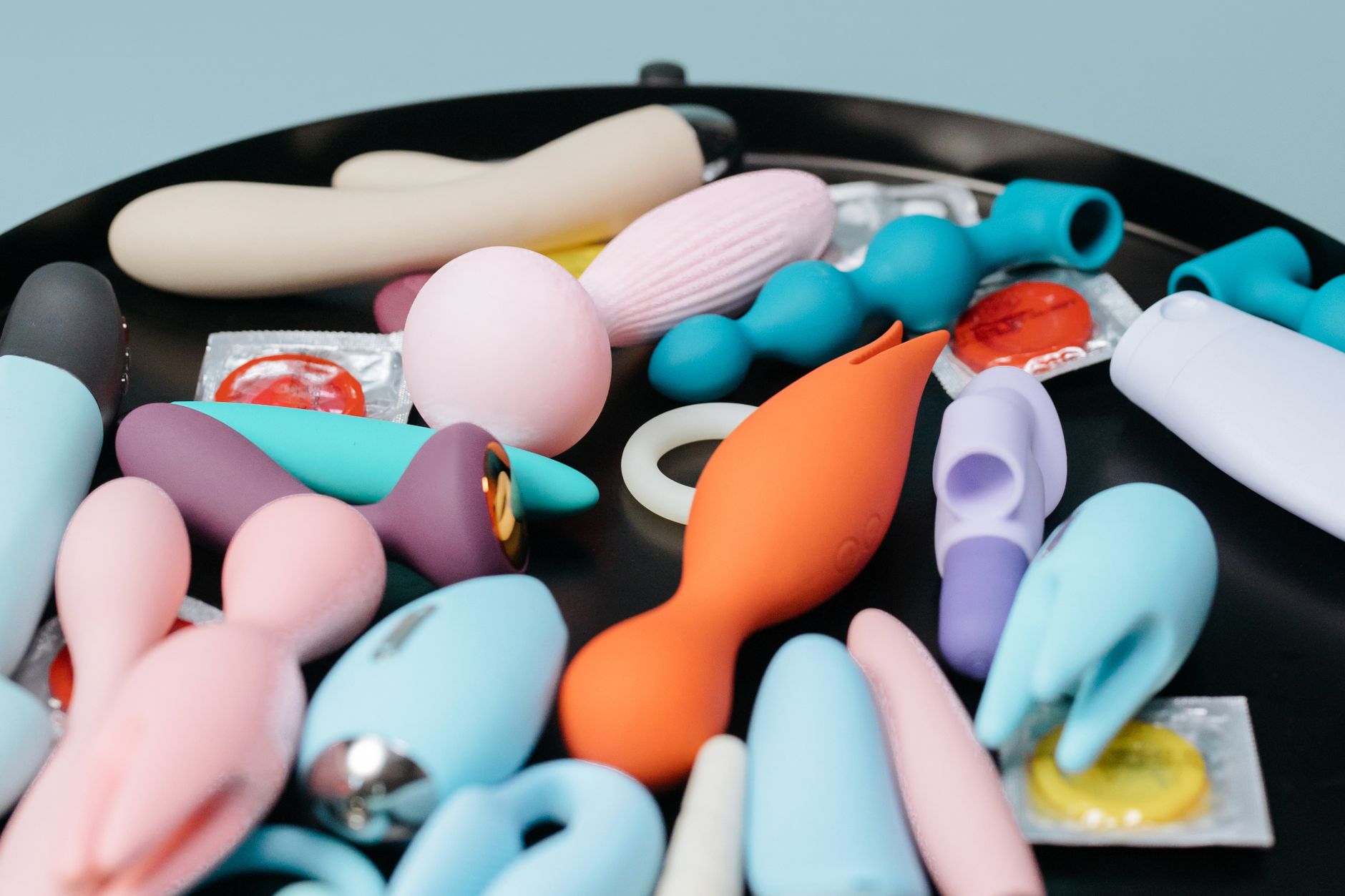
Here's the thing about new relationships and toys
You're still figuring out each other's bodies. You haven't yet calibrated what works, what feels good, what gets a groan versus what gets a laugh. Adding a toy into that mix feels risky. What if they think you want it because they're not enough? What if it breaks the mood? What if they have zero experience and panic.
But here's what actually happens when you bring a lemon vibrator into a new relationship with intention and clarity: you skip months of guessing games.
Why new couples actually benefit from introducing toys early
Most people wait until sex has "gotten boring" to suggest a vibrator. That's backward. Early-stage sex is when you're both still discovering what the other person likes. A clitoral vibrator isn't a band-aid for a dead bedroom. It's a map.
Here's the research part: couples who communicate openly about pleasure earlier tend to have longer, more satisfying relationships overall. Not because the toys are magic. Because they've practiced the conversation. They've shown each other that pleasure is worth discussing.
When you introduce a lemon vibrator early, you're also saying something specific to your partner: "I want your hands and mouth and body to feel amazing. I also know that my body sometimes needs a different kind of stimulation. Both things are true." That's radically honest. Most people never say that in a new relationship.
The conversation starter that actually works
Don't ambush them. But also don't make it a formal sit-down. The best moment is usually post-sex, when you're already comfortable and talking about what felt good.
Try: "I've been thinking about trying a vibrator together. Nothing's missing with you. I just know my body responds well to a specific kind of stimulation, and I'd love to experience that with you."
Or: "Would you be open to experimenting with a lemon vibrator? I'm curious if we'd both enjoy it."
The key is specificity without apology. Don't over-explain. People often panic when you leave a silence for them to fill. So tell them what you're thinking and then ask a direct question. "Would you be into that?" or "How do you feel about that?" gives them an easy yes or no.
If they hesitate, ask why. Common worries: they think you want them to know how to use it (you don't), they're concerned about size or noise (fair, both solvable), or they're insecure about whether they're enough. Address the actual concern, not the surface one.
Setting it up so it actually feels good
Once they've agreed, don't just pull out a vibrator mid-make-out. Build to it.
Start with foreplay like you normally would. Get them aroused. Then, when things are heating up, mention it casually: "I want to try the vibrator now. I'm really into this." Keep kissing them. Keep touching them. Let them see that you're enjoying their hands on you even while the vibrator is involved.
For first-time use with a partner, I recommend starting with the lowest setting. A lemon clitoral vibrator on medium or high can be intense if you're not used to it. You're already managing newness of the partner, newness of the toy, and the sensation itself. Lowering the intensity removes one variable.
Let your partner hold it, at least part of the time. This does two things: it gives them agency and removes the "you just want to be alone with your toy" feeling that sometimes creeps in. They get to explore what feels good on your body. That's useful information.
What to do if it feels awkward
It probably will, a little. That's normal. The first time you use any new toy with anyone is slightly weird. You're concentrated on a sensation you haven't experienced in that context before. You're aware of your partner watching. Your brain is doing three things at once.
If the mood stalls, permission to laugh about it exists. Genuinely. "This is awkward and I like you and I want to figure this out" is a bonding moment, not a failure.
If they seem uncomfortable, check in. "You okay?" "Want to take a break?" "Should we try a different position?" Any of these keeps the conversation open instead of letting discomfort calcify into resentment.
Some partners love using a lemon sucker vibrator on a partner. Others prefer to focus on oral or manual stimulation while you handle the toy. Find what works for both of you and then actually use that pattern going forward.
Positioning and pleasure that actually makes sense
You're not locked into one position because you're using a clitoral vibrator. You can be on your back, on top, from behind, sitting up. Some positions make it easier for a partner to participate. Others let you focus on your own sensation.
Experiment. Figure out what position lets you both feel good and connected. If you're on top and they're using the vibrator on you from below, you're staying engaged with each other. If you're side-by-side or facing each other, there's usually more eye contact and kissing.
The "right" position is the one where you both feel present. Not performing, not disconnected. Present.
After it's over, the conversation matters more
Don't just roll over and fall asleep. Talk about it while you're still in bed and a little vulnerable.
"That felt really good," is enough. Or: "I really liked when you..." or "Next time, I want to try..." These are the conversations that turn one experience into a pattern.
If they seemed hesitant or disconnected, ask directly: "How did that feel for you?" Their answer tells you a lot about whether you do it again and how.
You might also say: "I appreciate you being open to trying that. It made me feel really seen." Honesty about why this matters to you, beyond the physical sensation, can shift how they perceive the whole thing.
The difference between solo exploration and partner play
Here's something people don't always realize. Using a lemon vibrator alone and using it with a partner are genuinely different experiences. Your nervous system is in different places. You're managing different feedback loops.
So if you've never used a clitoral vibrator solo, do that first. Understand your body's response. Find your favorite settings. Then bring that knowledge into the partnership. You're not discovering the toy and the relationship dynamic simultaneously. You understand what you like and you're inviting your partner to be part of that.
Why this matters for long-term connection
I see a lot of couples in my practice who've been together for years and have never discussed pleasure directly. They guess, they hint, they hope. By the time they hit my office, they're exhausted from the guessing game.
Introducing a lemon vibrator early in a relationship is practice for honesty. You're saying: "Here's what my body needs. Here's what brings me pleasure. Are you willing to explore that with me?" And your partner is either saying yes or having a conversation about why not. Both matter.
The couples who navigate this well early on tend to be the ones who can also navigate bigger transitions together. Having a baby changes sex. Illness changes sex. Aging changes sex. If you've already learned to talk about toys and pleasure, you have a framework for talking about those bigger shifts.
For more on bringing toys into a partnership mindfully, check out our guide on lemon vibrators for couples. And if you're still working through the hesitation, that's real too. Your comfort matters just as much as theirs.
FAQs: The questions couples actually ask
Should I buy the vibrator before talking to them or after?
Before. Show them the option, explain why you want to try it, let them see what you're picturing. This is transparency. If you surprise them with a toy already in your nightstand, they might feel excluded from the decision or worry you've been planning this without them. Having them choose it with you, or at least see it before first use, keeps the conversation mutual.
What if they say no?
Ask why. Really listen. Are they worried about pain, noise, their performance, your satisfaction? Those are solvable. Is it a values thing or a comfort thing? Then you have a real choice to make. Don't pressure them. Do decide whether this is a dealbreaker for you. Some people genuinely aren't interested in toys. If that's a core need for you, it's better to know that early.
Can they use the vibrator on me if they've never done it before?
Absolutely. Your body's feedback is their teacher. Start with lower settings, go slow, let them feel what makes you respond. Most partners are curious and eager to learn. The fact that it's new to them is actually fine. You're discovering it together.
Will a lemon clitoral vibrator make them feel insecure?
Maybe, temporarily. Some people feel replaced by a toy, especially if they're inexperienced or insecure about their body. Here's what helps: you telling them you want it because you want more pleasure with them, not instead of them. You keeping physical contact and emotional connection while using it. You asking them to participate. And realistically, after the first time, the insecurity usually fades because they see firsthand that you're still very much into them.
Is it better to use it during sex or after?
Either, depending on your body and your partner. Some people use it during penetration for extra stimulation. Some people use it after your partner has finished, to make sure you finish too. Some people use it during foreplay, before anything else. There's no rule. What works is what feels good and what you both agree to.
What if we don't like it?
Then you don't use it. You tried something, it wasn't for you both, you move on. This isn't a failure. It's data. Maybe a different toy would work better. Maybe toys just aren't your thing. Both are fine. What matters is that you tried it together and communicated about it.
You're building something bigger than sex
When you introduce a lemon vibrator into a new relationship with honesty and care, you're not just adding a toy. You're establishing that pleasure is something you discuss. That vulnerability is safe. That your needs matter and so do theirs.
That foundation carries into everything else. Harder conversations get easier. Intimacy deepens. And yeah, sex gets better too. But the real win is knowing you can ask for what you want and be heard.
If you're looking for more on navigating sexuality with a new partner, our post on lemon vibrators for partners covers the emotional side in more depth. And if you're still deciding whether a vibrator is right for you, our buying guide walks through what different styles do and why.