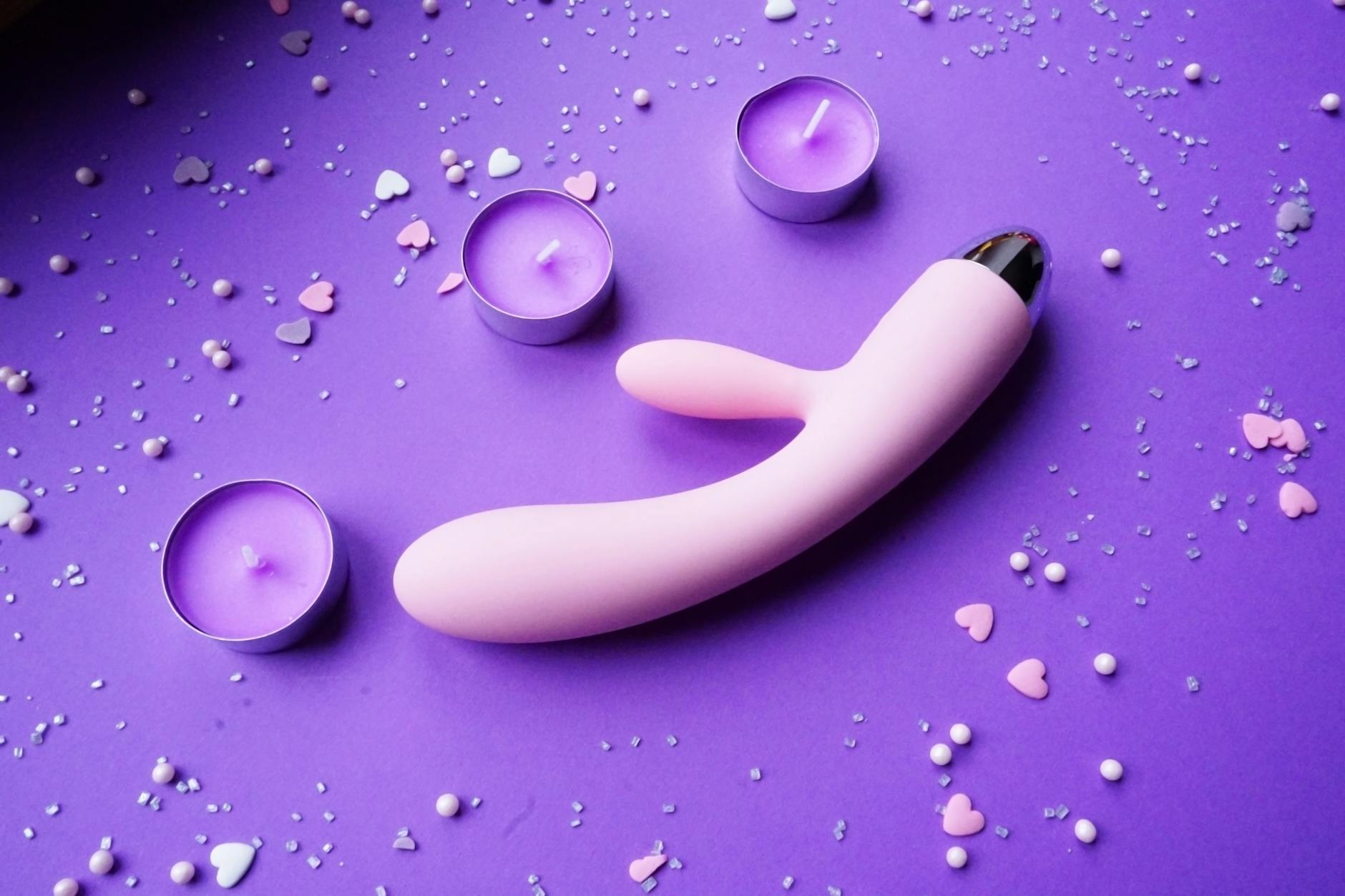
Let's be honest: pleasure after 50 doesn't look like pleasure at 30
Your skin thins. Lubrication changes. Arousal takes longer. Sensation shifts in ways nobody prepares you for. And if you're in a long-term relationship, you're both navigating these changes at once, which creates a unique conversation most couples never have.
Here's what I see in my practice: couples who hit 50 and assume they're supposed to keep doing what worked at 40. They don't adjust. They don't talk about it. And then one partner stops initiating because it doesn't feel the way it used to, and the other one withdraws because they feel rejected. The whole thing collapses quietly.
It doesn't have to.
What's actually changing in your body
After 50, estrogen and testosterone both decline significantly. This isn't a secret or shameful. It's biology. For people with vulvas, this means:
Tissue becomes thinner and more delicate. The vaginal opening narrows slightly. Blood flow to the clitoris decreases, which means arousal is slower and sometimes requires more direct stimulation to register. The clitoral hood (the tissue covering the clitoris) may become more prominent, making light touch feel less effective.
For partners with penises, erections may take longer, require more direct stimulation, and feel less rigid. Orgasms may feel shorter or require more time to build. Sensitivity can feel muted.
But here's the part everyone misses: your brain doesn't age the same way your tissues do. The neural pathways for pleasure stay intact. Your capacity for sensation, for orgasm, for connection remains. You just need to adjust the road map.
Why a lemon clitoral vibrator works better for this transition
I recommend lemon vibrators and other clitoral toys specifically for people over 50 because of how they're designed.
A traditional vibrator moves in a back-and-forth or circular motion. This works fine on younger tissue with thicker skin and more elasticity. But after 50, that kind of friction can feel intense, even uncomfortable, on thinner tissue. Some people describe it as buzzing against bone rather than a sustained pleasure.
Lemon suction vibrators use a different mechanism entirely. Instead of friction, they create a gentle suction and release pattern that mimics the sensation of oral sex. This is significantly gentler on delicate tissue while being more effective because it engages deeper nerve structures rather than surface sensation.
Most importantly, you feel the effect immediately. There's no warm-up period where you're waiting for pleasure to register. With a lemon clitoral vibrator, the sensation is direct and quick, which means less frustration and more confidence.
How to introduce this conversation with your partner
Let's separate two things: the physical tool and the emotional conversation. They're connected, but they're not the same thing.
Start with the body, not the toy. Tell your partner what you've noticed changing. "Orgasms take longer now" or "Light touch doesn't feel like enough anymore" are concrete observations, not complaints. They remove shame from the conversation and make it factual.
Then name what you want: "I want us to figure this out together. I don't want to just accept that this is how it's going to be." That shifts the dynamic from one person's problem to a shared challenge.
Introduce a lemon vibrator as a tool for both of you, not as a replacement for your partner. The best approach is to use it together, with your partner controlling it or holding it with you. This keeps the focus on connection rather than on the toy itself. Many couples find that using a clitoral vibrator during partnered sex deepens sensation for both people because it increases arousal and engagement.
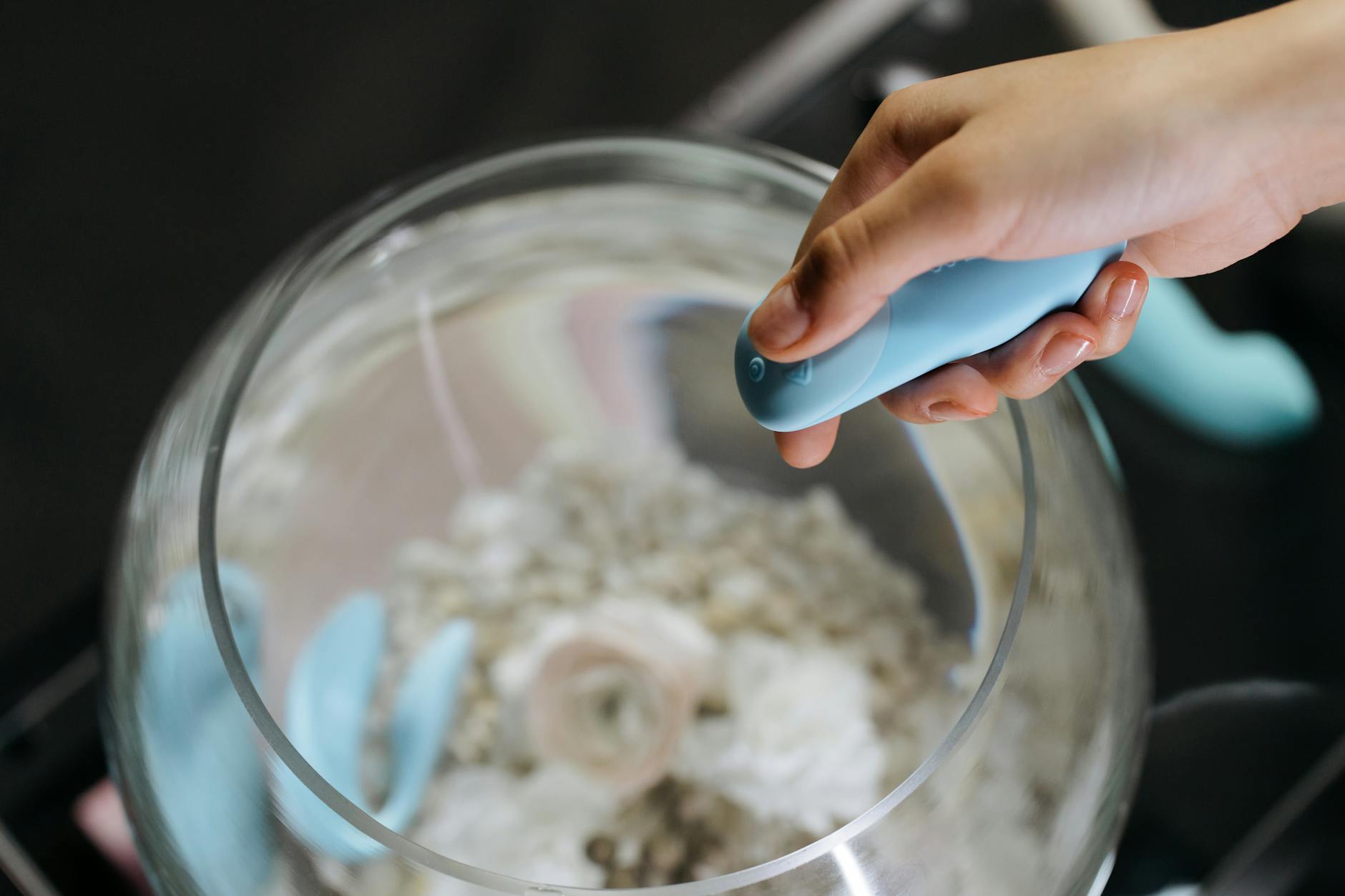
Photo by cottonbro studio on Pexels
The pleasure payoff: what actually changes
Here's what I hear from couples who lean into this adjustment instead of fighting it.
First, the pressure dissolves. When you're not fighting against your body's natural changes, sex stops feeling like a performance test. You're both working toward the same goal: pleasure, not proof that you're still young.
Second, sensation often deepens. Slowing down, using direct clitoral stimulation, taking time to build arousal. This is not a downgrade. For many people, this is the first time they've actually prioritized their own pleasure. The intensity is often different and almost always richer.
Third, intimacy shifts. You're talking about your body more honestly than you probably ever have. You're learning what your partner actually likes, not just assuming you know from years of habit. That's vulnerability, and vulnerability is the foundation of sustained desire.
Common friction points and how to move through them
One of the most common questions I get from couples in this phase: "Will using a vibrator make my partner feel inadequate?" It shouldn't, but the anxiety is real.
Frame it differently. A lemon vibrator isn't a replacement. It's an amplifier. You're not using it instead of your partner. You're using it with your partner, the same way you might use lubrication or adjust position. It's a tool that helps you both feel more pleasure.
Another sticking point: "I'm embarrassed about needing something different now." This is the grief talking, and it's valid. You grieve the way sex used to work. But that grief often lifts once you actually try something new and realize that different doesn't mean worse.
Third: "We don't know how to talk about this." Most couples don't. Start small. "I read that our bodies change around this age" is a fine opening. Then ask your partner what they've noticed. You might be surprised how much they're thinking about this too.
What research actually says about desire after 50
There's a persistent myth that sexual desire drops off a cliff at menopause or mid-life. The research doesn't support this. What the research shows is that many people experience a change in how desire works, not a loss of desire.
For people with vulvas, studies consistently show that desire often returns or even increases once fertility anxiety disappears and life settles into a rhythm. The barrier isn't biology. It's often the lack of information about what's changing and how to adapt.
For people with penises, desire typically remains stable, though frequency may decrease. The research suggests this is partly physiological and partly relational. When a partner withdraws, desire follows.
The couples who maintain strong sexual connection after 50 share one trait: they talk about it. They adjust. They don't assume their 25-year-old body should still work like a 25-year-old body.
The practical how-to for using a lemon vibrator together
Buying one is straightforward. Using it effectively with a partner takes slightly more intention.
Start with a comfortable position. Many couples find that woman-on-top or side-by-side works better than positions that require deep penetration, because you can incorporate a clitoral vibrator more naturally. Let your partner hold it or guide it. This maintains the collaborative feeling.
Begin at a lower intensity setting. A lemon clitoral vibrator usually has multiple patterns. Start at the gentlest one and let sensation build. This gives your body time to warm up and helps you both find what feels good.
Use plenty of lubrication, even if you don't think you need it. After 50, this is less about necessity and more about maximizing sensation. Water-based lubricant works with all materials. It reduces any friction and helps everything feel smoother.
Talk during. "Is this pressure okay?" or "Do you want me to shift angle?" keeps consent active and reminds both of you that you're in this together.
Expect that the first time might feel awkward or uncertain. You're learning something new. That's supposed to feel a bit unfamiliar. Give it three or four tries before you decide whether it works for you.
When to get professional support
If penetration becomes painful, that's a conversation for a gynecologist. Genitourinary syndrome of menopause is common and treatable. Topical estrogen creams can help significantly within weeks.
If you and your partner feel stuck or resentful about sexual changes, that's when couples therapy helps. A therapist trained in sexuality and midlife issues can help you navigate the emotional terrain alongside the physical one.
If you're grieving the loss of something that used to work, that's also valid ground for a few sessions of individual therapy. Midlife transitions touch almost everything, not just sex.
The long view
Your 50s and beyond can be some of the most sexually connected years of your relationship, but only if you're willing to adapt instead of resist. A lemon vibrator is just a tool. The real shift is the willingness to have honest conversations, to slow down, and to value pleasure enough to figure out what works now.
Your body isn't broken. It's just asking you to pay attention differently. And when you do, when you and your partner lean in together, that's often when things get good.