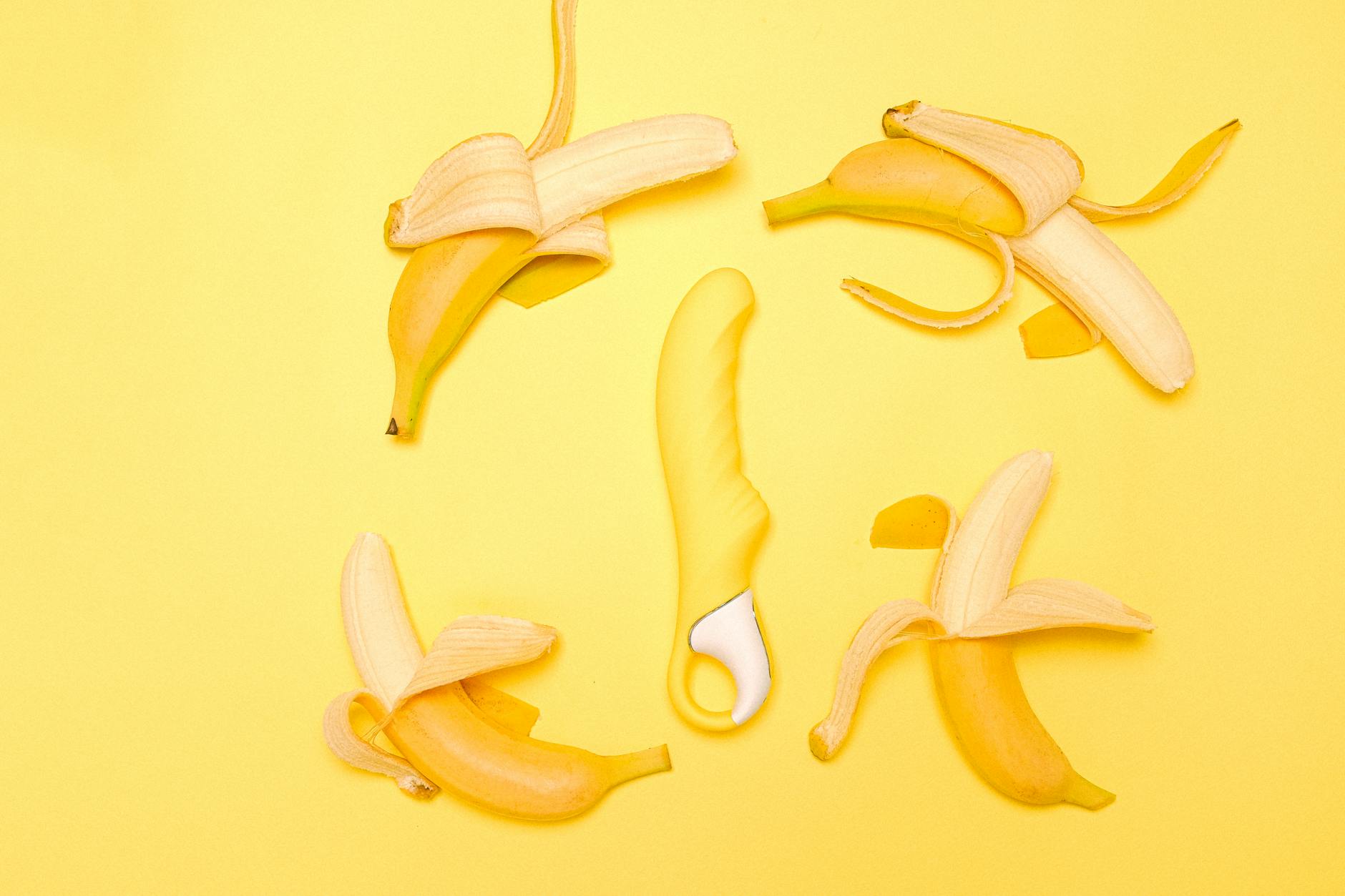
Let's talk about what's happening in your body right now
Surgery or pelvic floor dysfunction doesn't erase pleasure. But it absolutely changes the conversation your body is having with sensation. After abdominal surgery, hysterectomy, or the slow accumulation of tension in your pelvic floor, sensation feels muted, off, or sometimes sharper in uncomfortable ways. Your partner might feel different against you. Touching yourself might feel numb or hypersensitive. And you're wondering if this is permanent.
It's not. But understanding what's actually happening makes the recovery infinitely less scary.
What surgery does to sensation and arousal
When surgeons work in your abdomen or pelvis, they're moving tissue, cutting nerve pathways, and creating scar tissue. None of this is wrong or avoidable. It's medicine doing its job. But for weeks or months afterward, your nervous system is essentially rerouting signals. Nerve regeneration takes time. Scar tissue gradually softens. And during that window, sensation can feel completely foreign.
The clitoris itself has roughly 8,000 nerve endings, and many of those pathways run through the pelvic region. If surgery happened anywhere near there, those nerves are healing. You might feel less sensation at first. Or paradoxically, more sensitivity to light touch because surrounding nerves are firing in unfamiliar patterns. Both are normal.
Pelvic floor dysfunction operates differently. When muscles stay chronically tight, they're over-protective. The blood flow to the area decreases. Nerves get pinched. And your brain starts associating that region with tension rather than pleasure. Arousal requires relaxation. Tension blocks it. So the first thing that goes is desire, followed by difficulty achieving orgasm, and sometimes pain if you do try.
Why lemon vibrators specifically help during this window
A lemon clitoral vibrator works through gentle suction and patterns rather than direct vibration. This matters enormously during recovery. Here's why.
Direct vibration against healing or tense tissue can feel aggressive to a nervous system that's already in protection mode. The lem vibrator's suction creates a different sensation. It's less about bombardment and more about gentle drawing. For people recovering from surgery, especially hysterectomy or vaginal procedures, suction feels less invasive. It doesn't require the same pressure. It doesn't trigger the same guarding response.
For pelvic floor dysfunction specifically, the gentle rhythm of a lemon sucker can actually help your nervous system recognize that the pelvic region can be a place of pleasure, not just pain. You're retraining your brain's map of that territory. Suction does this more gently than traditional vibration because the sensation is fundamentally different. It's softer. It's rhythmic in a way that feels almost meditative.
The pelvic floor tension cycle and how to break it
Here's the trap that keeps most people stuck: tightness creates fear of sensation. Fear creates more tightness. The cycle feeds itself.
Most people with pelvic floor dysfunction are told to do Kegels. But Kegels are actually the wrong move if your pelvic floor is already too tight. You're strengthening muscles that are already clenched. The first step is learning to relax. And that's neurological work, not physical work.
Using a lemon vibrator with intention can interrupt this cycle, but only if you approach it correctly. This means slow. This means with good lubricant. This means without the goal of orgasm attached to it. You're just reintroducing sensation. You're teaching your nervous system that stimulation doesn't have to mean pain or performance.
Start at the lowest setting. Spend 10 minutes just feeling. If tension rises, stop. This isn't about pushing through. It's about gradual retraining.
Post-surgery timeline: what to expect when
The first 2-4 weeks after surgery, most doctors recommend avoiding any internal stimulation. Follow that. Your body is actively healing.
Weeks 4-8, you might get cleared for light external stimulation. This is where gentle exploration begins. A lemon clitoral vibrator at the lowest setting, externally only, can help you understand what sensation feels like in your new body. You might find that only one pattern feels good. That's fine. Your preferences might completely change, and that's fine too.
Weeks 8-12, if healing is progressing well, you can experiment more. Pressure can increase. Duration can increase. But still no performance expectations. You're not trying to achieve anything. You're learning.
Months 3-6, most people start feeling something approaching baseline. But it's often a different baseline. Some people find their pleasure is actually heightened post-recovery. Others take longer. There's no universal timeline.
If pain is still present beyond 12 weeks, that's the moment to contact a pelvic floor physical therapist. Scar tissue sometimes needs professional attention to soften properly.
Communication with your partner during this shift
This is where recovery often breaks down. You feel different. Your partner feels the change. Neither of you talks about it directly, and suddenly there's resentment layered on top of physical recovery.
Start with clarity: "My body is healing. That means sensation is different right now, and I need that to be okay." You're not saying sex is off the table. You're saying the conversation is different. You might need more time. You might need different types of touch. You might need him or her to initiate less pressure about timing.
One thing that helps: separate pleasure exploration from partnered sex for a while. Use a lemon vibrator alone. Let your nervous system recalibrate without the additional layer of performance or partner expectation. Then, once you understand what your body needs, bring that information into the shared space.
Partners often worry that using a lemon sexual toy means something is wrong with the relationship. It doesn't. It means you're being intentional about your own recovery. That's actually intimacy.
When to seek professional support
If pain persists beyond the typical healing window, see a pelvic floor physical therapist. They can assess whether scar tissue needs manual work or whether the tension is psychological (which is still treatable, just differently).
If desire hasn't returned after 6 months of consistent healing, talk to your gynecologist. Sometimes post-surgical hormone shifts need addressing. Sometimes the emotional weight of recovery lingers and therapy helps more than anything physical.
If you and your partner are drifting around this, consider a session or two with a sex therapist or relationship coach. Not because something is broken. Because recovery is a transition, and guided navigation helps.
The long view: what often changes for the better
Here's what I see in my practice repeatedly. People recover from surgery or pelvic floor dysfunction and find that their pleasure is actually more intentional on the other side. They've had to get curious about what their body needs. They've practiced saying no to performance pressure. They've learned that pleasure isn't about reaching a finish line.
That's not to romanticize recovery. It's difficult. But it often cracks open something that was calcified before. You might find you need longer warmups. You might discover that suction feels better than vibration. You might realize orgasm isn't the only goal that matters. Those discoveries stick around.
Your body has been through something. Lemon clitoral vibrators aren't a magic solution, but they can be a gentle tool that meets you exactly where you are. No pressure. No performance. Just patient, rhythmic, supportive sensation. That's recovery.
People also ask
How long after surgery can I use a lemon vibrator?
Most doctors clear external genital stimulation around 4-6 weeks post-op, depending on the type of surgery. Always follow your specific medical guidance. If your surgery was internal, wait longer. If it was abdominal only, external-only use can often resume sooner. The rule: if there's bleeding or increased pain, you're too early. Stop and wait another week.
Can pelvic floor tension actually be causing my low libido?
Absolutely. Chronic tension in the pelvic floor keeps your nervous system in a low-level stress state. Your body is literally clenched. Arousal requires the opposite state. Relaxation. So yes, pelvic floor tension directly kills desire. That's why the first step in recovery is learning to relax those muscles, not strengthen them. A pelvic floor physical therapist can guide that process. A lemon sucker can support it by gently retraining sensation.
Will sensation return to normal, or is this my new normal?
Both. Some sensation returns to baseline. Some changes permanently. You might find that you're more sensitive in some areas and less in others. That's not bad. It's just different. Most people adapt within 6-12 months. Some adapt faster. Some take longer. The key is not fighting the change while you're in it, but rather exploring what your body can do now.
Is it normal to feel numb after surgery, then hypersensitive weeks later?
Completely normal. Your nervous system is recalibrating. Numbness often comes first because everything is swollen and nerves are compressed. As swelling reduces, sensation can actually overshoot and feel too sharp. Then it settles into a new baseline. This can take weeks. It's not a sign something went wrong.
Can I use a lemon vibrator if my pelvic floor is too tight?
Yes, but start extremely gentle. Lowest setting. Short sessions. The goal isn't arousal, it's nervous system retraining. If you feel tension rising, stop. You're not fighting the tightness. You're gradually showing your body that gentle stimulation doesn't equal pain. A pelvic floor physical therapist can give you specific guidance for your situation, and then a lemon clitoral vibrator becomes one tool in that healing toolkit.
What if orgasm feels completely different now?
It probably will. Nerve pathways have shifted. Muscle tension has changed. Your brain has rewired slightly. That doesn't mean orgasm is worse. It often means it's different. Some people find post-surgery orgasms are actually more localized, more intense, or require different building. That's adjustment, not damage. Give yourself permission to explore without comparison to how things used to feel.