Here's the conversation nobody's having
You started an antidepressant. Your mood lifted. But somewhere between week two and week six, your body stopped cooperating with pleasure the way it used to. Arousal takes longer to build. Orgasm feels distant or muted. Your partner is still interested. You're still interested, intellectually. But the circuit between desire and sensation has gone quiet.
You're not broken. Your medication is doing exactly what it's designed to do. The problem is that nobody warned you this would happen, and you're now sitting with a gap between what you expected and what your body is actually delivering.
How SSRIs and SNRIs change the pleasure pathway
Most antidepressants work by raising serotonin levels in your brain. That's excellent for mood stability. But serotonin doesn't just live in your mood center. It also regulates sexual response.
Here's the mechanism: serotonin suppresses dopamine in the reward system. Dopamine drives desire and the cascade of physical sensations that follow. When you increase serotonin, you're essentially turning down the volume on dopamine. Lower dopamine means arousal takes longer to ignite, orgasm requires more effort, and the intensity often feels muted even when it does arrive.
This happens with SSRIs (selective serotonin reuptake inhibitors) like sertraline, paroxetine, and fluoxetine. SNRIs (serotonin-norepinephrine reuptake inhibitors) like venlafaxine sometimes cause it too, though the effect varies person to person.
The frustrating part: this isn't a sign the medication isn't working. It's a sign it's working exactly as intended. You're not losing your capacity for pleasure. Your nervous system is being pharmacologically held at a lower threshold for sexual activation.
Why lemon vibrators change the equation
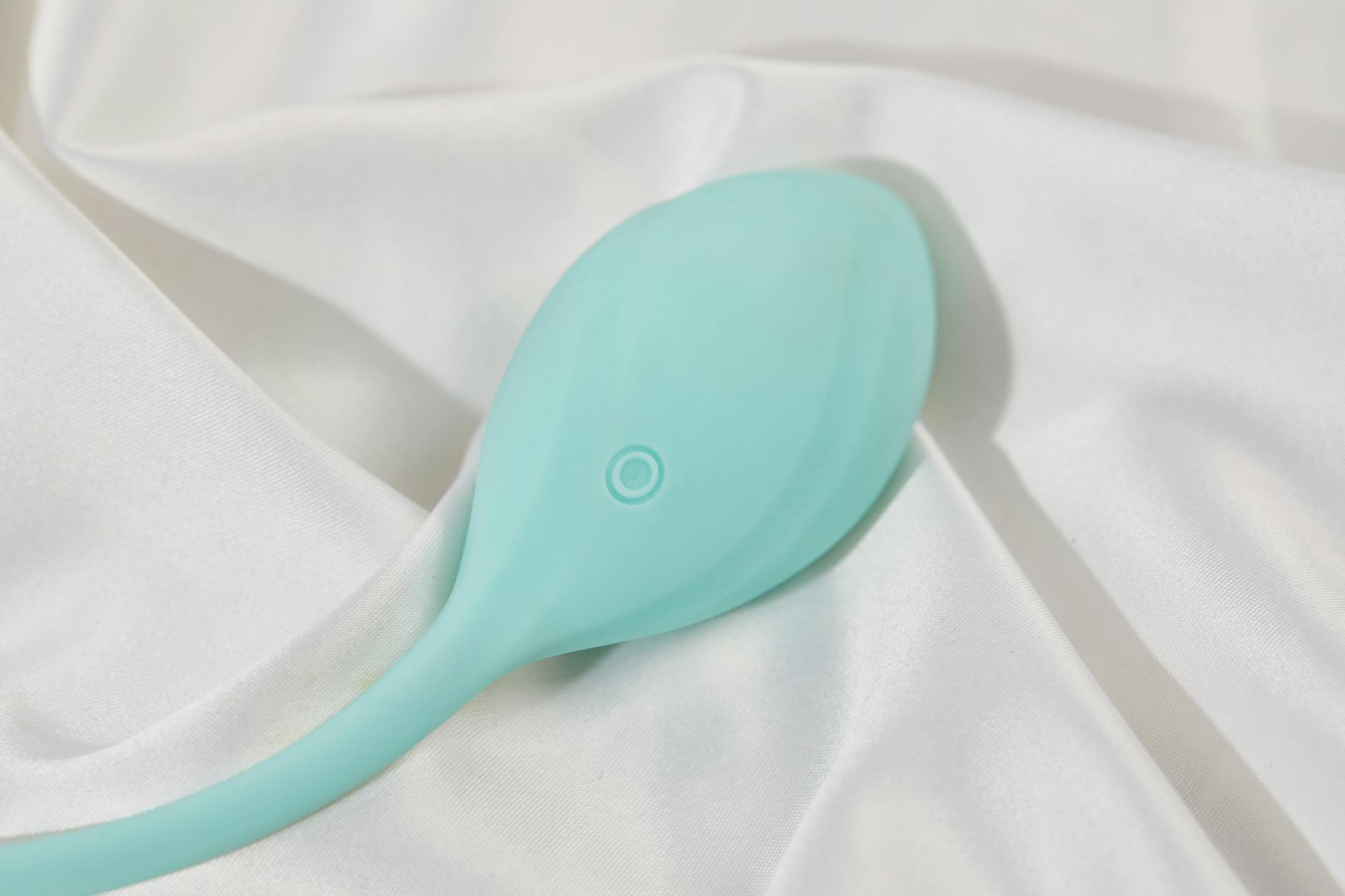
A lemon clitoral vibrator works differently than typical vibrators because of how it stimulates. Instead of direct vibration, lemon sexual toys use gentle suction and pulsation that mimics the sensation of oral sex. This matters when your dopamine is artificially suppressed.
Why? Because suction-based stimulation requires less neural activation to register as pleasurable. It's a gentler entry point to arousal. When your brain chemistry is dampening your natural response, you need a tool that meets you where you are, not where you used to be.
Many people on SSRIs report that a lem vibrator works better than their previous vibrators because the sensation pattern bypasses some of the dopamine suppression. It's not magic. It's a different form of stimulation that your nervous system can still access and enjoy, even when antidepressants are making everything else feel distant.
The timeline you should expect
Sexual side effects from antidepressants don't appear immediately. Most people experience them between two and eight weeks in, right when they're starting to feel mentally clearer.
Some people adapt naturally over time. Your body can adjust to the new neurochemical baseline after three to six months. Others plateau and need a medication adjustment.
Here's what I tell my clients: don't white-knuckle through the first month hoping it passes. By week three, if arousal is noticeably harder to access, that's when you have a conversation with your prescriber. Options exist.
What to discuss with your doctor
You have three real options here, and they're all legitimate.
Option one: medication adjustment. Sometimes switching to a different SSRI or adding a second medication (like bupropion) that increases dopamine can restore sexual function without losing mood benefits. This takes trial and adjustment, but it works for many people.
Option two: dosage timing. Taking your medication at night instead of morning, or vice versa, can shift when the peak concentration hits your bloodstream. If you take it at 8 p.m., the strongest suppression happens while you're sleeping. If you take it during the day and want sex in the evening, the effect might be slightly less pronounced. This is a small tweak, but it helps some people.
Option three: acceptance and adaptation. If the mood benefit far outweighs the sexual side effect, and if you have tools that work (like a lemon adult toy that stimulates differently), you can stay on your current medication and adjust your approach to pleasure. This is a valid choice, not a surrender.
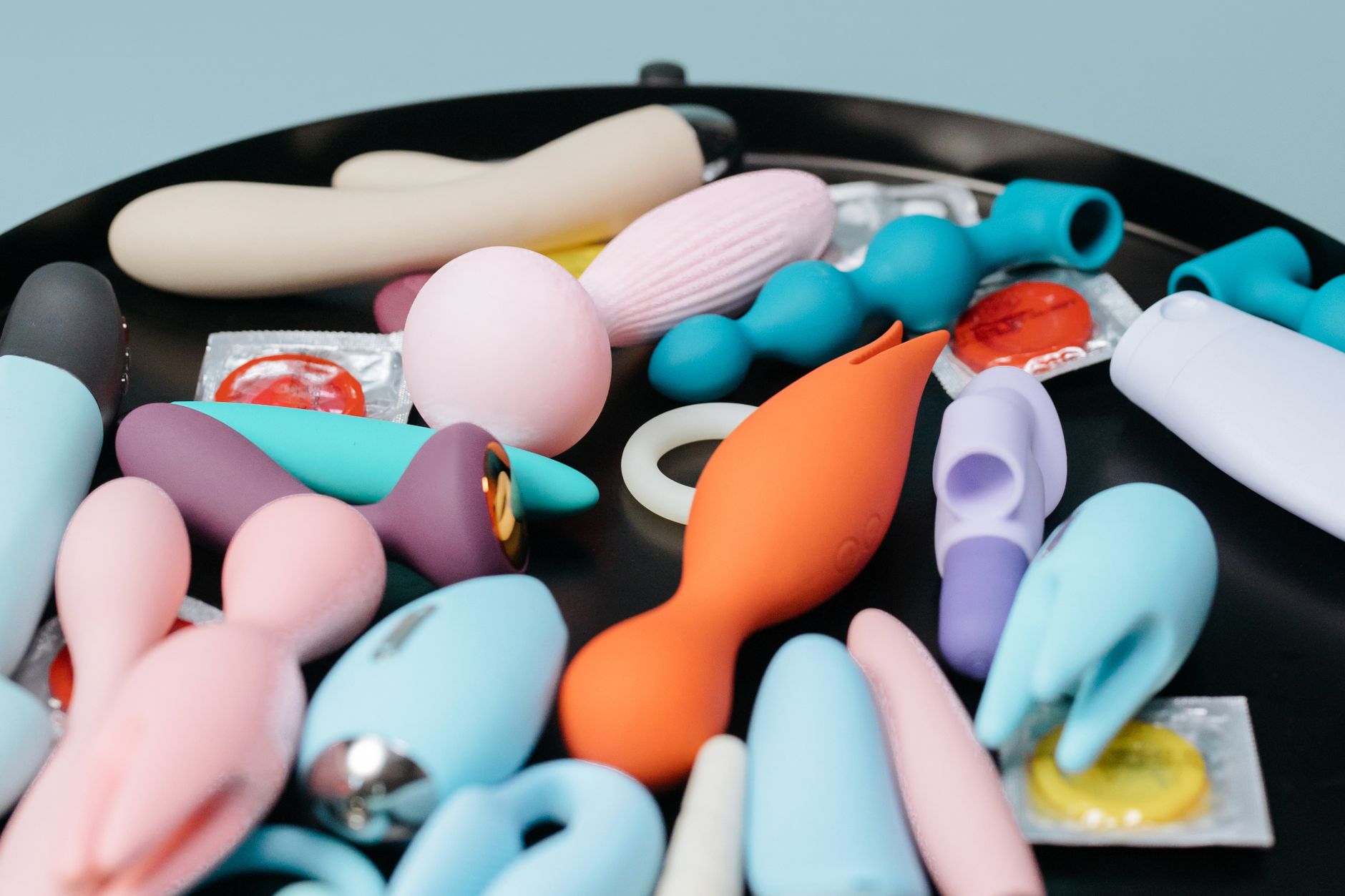
Photo by cottonbro studio on Pexels
How to adapt your approach to pleasure
If you're staying on your antidepressant and working with a lemon vibrator instead of switching medications, here's what helps.
Extend your warmup time. You're not slower because you're broken. You're slower because your brain chemistry needs more runway to reach arousal. Budget 20 to 30 minutes instead of 10. This isn't a loss. Many people find they enjoy the extended intimacy.
Use lube generously. Antidepressants can also affect natural lubrication. Water-based lube isn't a Band-Aid. It's part of your setup now. This also reduces friction, which matters if you're exploring with a lemon clitoral vibrator.
Build sensation gradually. Start your lemon sucker at the lowest setting. Let your body acclimate to the stimulation. You're not rushing to orgasm. You're inviting your nervous system to participate. Many people find that orgasm arrives more reliably when there's no pressure.
Consider external focus. Some of my clients find that erotic reading, audio, or visual content helps bridge the gap between intellectual interest and physical arousal. When dopamine is suppressed, external input can jumpstart the pathway that internal desire alone might not trigger.
The relationship piece that matters
If you have a partner, this is a conversation that needs to happen early and clearly. Not during sex. Not in bed. A regular conversation where you say: "My medication is affecting arousal. Here's what that looks like. Here's what helps. Here's what I need from you."
Partners often interpret slower arousal or difficulty orgasming as loss of attraction. It's not. It's a neurochemical side effect. The sooner you name it explicitly, the faster you both stop making up stories about what it means.
Many couples actually discover that slowing down and using new tools like lemon sexual toys together deepens intimacy. The pressure to perform at the speed you used to lifts. You're exploring something new, together. That's often more connected than rushing back to the old pattern.
When to ask for a medication change
If sexual function matters deeply to you, that's valid. Your psychiatrist or GP should take it seriously. If the side effect is severe (complete loss of sensation, inability to orgasm after three months of adaptation), ask about switching to a medication with lower sexual side effects.
Bupropion, for example, is an antidepressant that works through dopamine and norepinephrine, not serotonin. It often has fewer sexual side effects. Some doctors add it to SSRIs specifically to counteract this problem.
You don't have to choose between mental health and sexual pleasure. Sometimes you do have to adjust to find the balance that works for your life.
FAQ: Antidepressants and sexual response
Why do SSRIs specifically affect orgasm?
Because serotonin and dopamine work in opposition in the sexual response system. SSRIs raise serotonin, which inhibits dopamine. Lower dopamine means less neurological drive for arousal and orgasm. It's not a bug in the medication. It's the mechanism at work.
Can a lemon vibrator really help if my antidepressant is suppressing everything?
Yes, but not magically. A lemon clitoral vibrator uses suction stimulation, which requires less neural effort to feel pleasurable than direct vibration. When your dopamine is suppressed, a different form of stimulation can bypass some of that resistance. Many people find that lemon sexual toys are more effective than their previous vibrators specifically because of this.
How long does it take to adapt to the sexual side effects?
Some people feel the effects settle after three to six months as their body adjusts. Others plateau at a new baseline. If you haven't seen improvement by month three, that's when to talk to your prescriber about adjustment rather than waiting longer.
Is it safe to use a vibrator while on antidepressants?
Completely safe. Using a lemon sucker or any vibrator won't interfere with your medication. It's actually a helpful tool for managing the sexual side effects of SSRIs and SNRIs.
What if I want to switch medications because of sexual side effects?
That's a conversation to have with your psychiatrist or GP. Options include switching to a different SSRI, trying an SNRI, adding a medication like bupropion that increases dopamine, or adjusting the timing of your dose. Each has trade-offs. Work with your prescriber to find what serves your overall health.
Can I stop taking my antidepressant to get my sex drive back?
Your mental health stability is foundational. Stopping a medication because of sexual side effects often brings back the original depression along with the restored arousal, which isn't a win. Instead, explore medication adjustment, dosage timing changes, or tools like a lem vibrator that can restore pleasure without sacrificing your mood stability.
The closing truth
Antidepressants save lives. They also change sexual response in ways that catch people off guard. The gap between what your body can do and what it used to do can feel like loss. It's not. It's an adjustment, and adjustments have solutions.
If you're using an SSRI or SNRI and pleasure feels distant, start by talking to your prescriber. Then explore tools like lemon clitoral vibrators that work with your new neurochemistry instead of against it. Your pleasure matters. Your mental health matters. Both can coexist with the right support and information.
If you want to talk through your specific situation, reach out. I'm here to help you navigate this intersection of medication, desire, and what comes next.