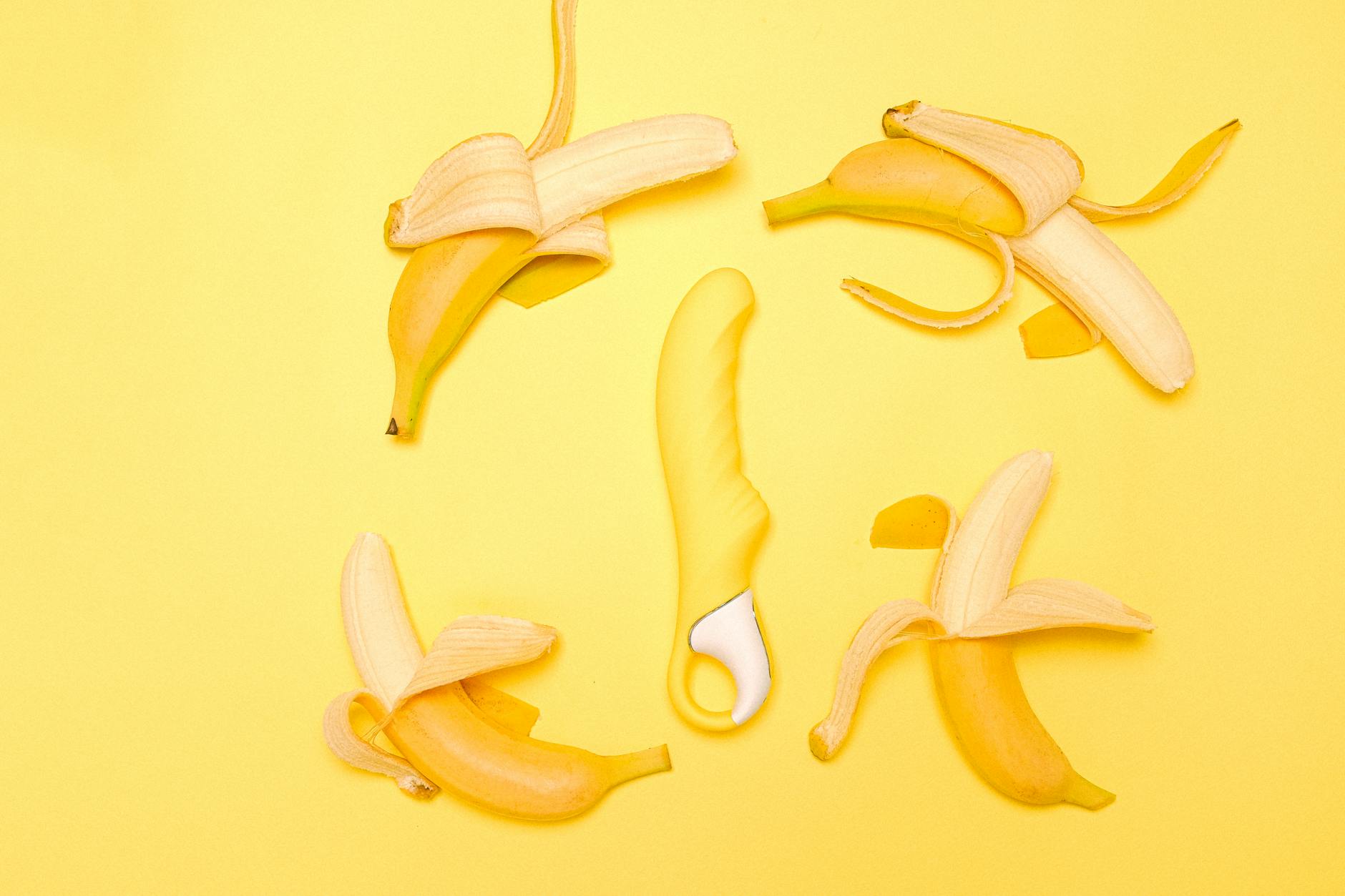
Let's talk about what's actually happening
Perimenopause is weird because your body is changing but you're not quite there yet. One month your orgasms feel like they always did. The next month they're harder to reach, more distant, or just... different. You're not imagining it. Your hormones are fluctuating wildly, and that directly changes how your nervous system responds to stimulation.
Here's the thing nobody tells you: this is exactly the time a lemon clitoral vibrator becomes invaluable. Not because your body is broken, but because suction-based stimulation works differently than friction-based vibration. And during perimenopause, that difference can be the gap between struggling and actually getting there.
Why perimenopause changes orgasm response
Estrogen and progesterone are ping-ponging all over the place right now. One week you're drowning in hormones, the next week they've vanished. This doesn't just affect your mood or your sleep. It changes blood flow to your genitals, tissue sensitivity, arousal speed, and how quickly you reach climax.
You might notice that arousal takes longer to build. That's normal. Your body might feel less responsive to touch that used to work instantly. Also normal. Some days sensation feels muted, other days oversensitive. Still normal. What's not normal is to suffer through it quietly thinking you're losing something.
Many people in perimenopause report that traditional vibration suddenly feels too abrasive or even painful. The tissue is thinner and more easily irritated. Sustained friction that felt amazing at 35 can feel bruising at 45 or 50. This is where a lemon vibrator or lemon sucker changes everything. Suction stimulates without that mechanical grinding.
How suction works differently than vibration
Let me break this down simply. A traditional vibrator creates repetitive friction. The head moves side to side or up and down very quickly, and you get stimulation through that consistent rubbing motion. It works beautifully for most bodies most of the time.
A suction-based clitoral vibrator like the Lem works entirely differently. Instead of friction, it creates gentle rhythmic suction around the clitoris. The sensation is more diffuse, less localized, and honestly more meditative. It doesn't require direct pressure on sensitive tissue. It stimulates the nerve endings around the clitoral complex without aggressive contact.
During perimenopause, this distinction matters. Your vulva is more sensitive, your tissue is thinner, your arousal ramps up more slowly. Suction gives you a gentler on-ramp to orgasm without sacrificing intensity. Many people find that suction actually produces stronger, more full-body orgasms than vibration ever did.
Setting yourself up for success
Timing and environment matter more during perimenopause than they might have before. Your nervous system is already managing a lot of hormonal chaos. Add stress, rushing, or distraction and orgasm becomes an uphill battle.
Start by creating actual conditions for pleasure. I mean this literally. Block out time. Tell your partner you need uninterrupted space. Silence your phone. This isn't luxury. This is honoring your body's current needs. During perimenopause, you cannot rush pleasure the way you might have when hormones were stable.
Warm up longer than you think you need to. I'm talking 20 to 30 minutes of foreplay, or solo touch, or just existing in your own desire without agenda. Your body needs that runway. Use a water-based lubricant even if you've never needed one before. Your natural lubrication is likely lower than it used to be. That's not failure. That's just the season you're in.
How to actually use a lemon clitoral vibrator during this time
Start on the lowest setting. Seriously. You might think you want intensity, but if your body is still in the ramping phase, high intensity will just be jarring and frustrating. The Lem has different patterns, and the early ones are designed to slowly build sensation rather than hit you with full force immediately.
Position the suction cup so it fully seals around your clitoris but isn't painfully tight. You should feel gentle suction and subtle rhythm, not a vacuum cleaner effect. The magic happens when the seal is consistent and comfortable. Move it slowly if at all. Unlike vibrators, which you might move around your vulva, a lemon sucker works best when you keep it steady and let the pattern do the work.
Give yourself 15 to 20 minutes with lower settings before you even think about increasing intensity. Your nervous system needs time to build arousal, and your body needs time to tell you what feels good. During perimenopause, patience is not frustration. Patience is the strategy.
Once you feel genuine arousal building (you'll know because sensation starts to feel more acute, your breathing changes, your focus narrows), you can experiment with higher patterns or increase the rhythm. But let your body lead. Don't chase an orgasm that isn't building naturally.
What changes when you're partnered
If you're using a lemon vibrator with a partner, communication becomes even more important than usual. Your body's responses are less predictable right now. What worked last week might not work this week. Your partner isn't a mindreader, and you might not know yourself until you're in the moment.
Talk about this openly. "My arousal feels slower lately" or "I'm not sure what I want tonight" aren't failures of your relationship. They're information. Let your partner know that you might need more foreplay, or that you want them to just hold you while you use the lemon vibrator yourself. Many couples find that perimenopause is actually when they start using toys together more intentionally because it removes the pressure of trying to create orgasm through intercourse alone.
If you're newly using a lemon clitoral vibrator as a couple, approach it without expectation. Use it during foreplay. Use it during intercourse if that appeals to you. Use it afterward. The point isn't to achieve something. The point is to discover what feels good in your current body, right now.
Common challenges and how to troubleshoot
Your orgasm might feel flatter or less intense than before. This happens when estrogen is lower. It doesn't mean you've lost your capacity for pleasure. It means your nervous system response has shifted. Sometimes increasing the time you spend at lower intensities actually leads to deeper, more full-body sensations than rushing to high intensity.
You might feel numb or distant from your body. This is common during high stress periods within perimenopause. If this continues, it's worth checking in with your doctor because this sometimes signals something else (thyroid issues, depression, medication side effects). In the meantime, a suction vibrator like the Lem often works better than traditional vibration because it engages different nerve pathways.
You might find that you need to use the lemon vibrator differently depending on where you are in your cycle. Some weeks you need much longer warmup. Some weeks you're incredibly responsive. Track this if you can. Your body is trying to tell you something about its current hormone levels.
When to check in with your doctor
If penetration becomes painful, if you're experiencing significant dryness that doesn't improve with lube, or if orgasm becomes impossible even with tools that used to work, mention this to your gynecologist. Perimenopause sometimes comes with genitourinary changes that benefit from topical estrogen or other straightforward treatments. There's no prize for suffering through this.
Likewise, if your libido has completely disappeared and using a lemon vibrator feels like a chore rather than pleasure, this might signal depression or a thyroid issue that deserves attention. Perimenopause is a real transition, but complete loss of interest in pleasure isn't just part of it.
The bigger picture
Your body is navigating one of its major transitions. Pleasure doesn't end during perimenopause. It changes shape. And often, when you give yourself permission to work with those changes instead of against them, you discover something better than what came before. A lemon clitoral vibrator isn't a band-aid for a body that's failing. It's a tool designed for exactly the kind of stimulation your body often needs right now. That's not settling. That's smart self-knowledge.
People also ask
Can you use a lemon vibrator every day during perimenopause?
Yes, safely. There's no limit to how often you can use a suction-based clitoral vibrator. Some people use them daily, others a few times a week. Your body will tell you what it needs. If you notice any irritation, take a break for a few days. But generally, regular use doesn't cause problems and often helps you stay connected to your pleasure during a time when your body feels unpredictable.
Will a lemon clitoral vibrator help if my arousal is completely flatlined?
It can, but it's not magic. A lemon sucker works on the physical level by engaging your nerve endings through suction. But if your flatlined arousal is coming from depression, relationship disconnection, stress, or hormonal dysregulation that needs medical attention, the vibrator alone won't fix it. You'll likely need to address the root cause alongside using the tool. That said, many people find that using a lemon vibrator regularly actually helps reset arousal response over time.
Should I use numbing cream before using a lemon vibrator during perimenopause?
No. During perimenopause, sensation is often already compromised. Numbing cream would only make it worse. If the suction sensation itself feels too intense or uncomfortable, you need a lower setting or gentler pattern, not numbing. If you're experiencing pain, that's a signal worth listening to, not suppressing.
Is it normal for orgasm to feel different with a lemon vibrator than with a partner?
Completely normal. Your body responds differently to different types of stimulation. A lemon sucker provides consistent, predictable suction. A partner provides variable touch, rhythm changes, and emotional presence. Both are valuable and they feel different. During perimenopause especially, you might find that you need the lemon vibrator sometimes and your partner other times. Both are legitimate.
How long does it typically take to reach orgasm with a lemon clitoral vibrator during perimenopause?
This varies widely. Some people reach orgasm in 10 to 15 minutes. Others need 30 to 45 minutes. During perimenopause, patience is key. You're not failing if it takes longer. Your body is literally processing hormonal shifts. Give yourself at least 20 minutes before deciding it's not working. Many people find that once they stop watching the clock and let arousal build on its own timeline, orgasm happens more reliably.
Can you use lube with a lemon clitoral vibrator?
Absolutely. Water-based lubricant is recommended for all suction toys. It helps create a better seal and makes the experience more comfortable. Apply lube to your vulva and a small amount to the rim of the suction cup. Reapply if needed during use. During perimenopause, when natural lubrication is often lower, lube is genuinely helpful, not cheating.
Your body deserves this
Perimenopause is a long season, not a crisis. Your pleasure matters as much during this transition as it ever did. A lemon vibrator, lemon sucker, or lemon clitoral vibrator isn't about fixing a broken body. It's about meeting your body where it actually is right now and giving it what it actually needs. That's not compromise. That's self-respect. If you want to explore more about how your body is changing during this time, read about how your pleasure cycle shifts during hormonal transitions.
You can also learn more about what makes suction-based toys unique by comparing suction and vibration stimulation. And if you're navigating this transition with a partner, here's how couples navigate toys together.
Your pleasure isn't behind you. It's right here, shifting and changing, asking you to pay attention. Pay attention.